2026 | October 19th | Mountaineers Route | Iceberg Couloir
Name currently undisclosed
Found in the couloir between Iceberg Lake and The Notch at an elevation of 13,600 feet.
More information is needed for a proper analysis.
MOUNT WHITNEY FATALITIES
A record of fatalities on the Highest Peak in the Lower 48. The circumstances, causes, and contributing factors of each case and an analysis of mitigations.
Click to expand each entry for details. Sort the entries by route and location.
Name currently undisclosed
Found in the couloir between Iceberg Lake and The Notch at an elevation of 13,600 feet.
More information is needed for a proper analysis.
Kalem Peter Kazarian (age 52)
Likely fell from The Traverse. More information is needed for a proper analysis.
MEDIA
Your Central Valley
Los Angeles Times
People
San Francisco Chronicle
New York Post
Unnamed/unknown
ANALYSIS
A fatal fall down the North Face of Mount Whitney. A party of two hikers started their ascent together, but later separated; one descended (after about 16 hours of movement) due to safety concerns, the other continued and ultimately fell from either the Final 400 or from the "Easy Walkoff". The body was recovered from the North Face of Mount Whitney.
It's worth noting that these two hikers started their ascent at 23:30 on Saturday the 17th of January, the hiker who descended started that descent at around 15:30 on Sunday the 18th and reported their partner overdue on Monday morning of the 19th. It's not unreasonable to assume given this timeline that the surviving party was out for a full 24 hours and that their partner fell and was killed at some point during that person's descent back to the trail-head at Whitney Portal.
It's unclear if this was an ascent of the Main Trail and a descent of the Mountaineers Route (either on purpose for some reason, or by accident), or if it was an ascent of the Mountaineers Route, nor is it clear where the two hikers decided to separate. Regardless, 24 hours out on a single-day Whitney ascent attempt is an outlier amount of time. Most day ascents are shorter. This suggests their rate of travel was hampered by lack of floatation (skis or snowshoes) in terrain and conditions that required or suggested it, or lack of route knowledge, or both.
While odd, it's not uncommon for hikers who are unfamiliar with the mountain to ascend the Main Trail and then accidentally descend the Mountaineers Route. Many times when this happens, the chosen descent path is the much more dangerous and very poorly-named "Easy Walkoff" (aka "The Traverse", aka "The 2nd Class Route").
The "Easy Walkoff" has seen more fatalities than any other single place on the mountain.
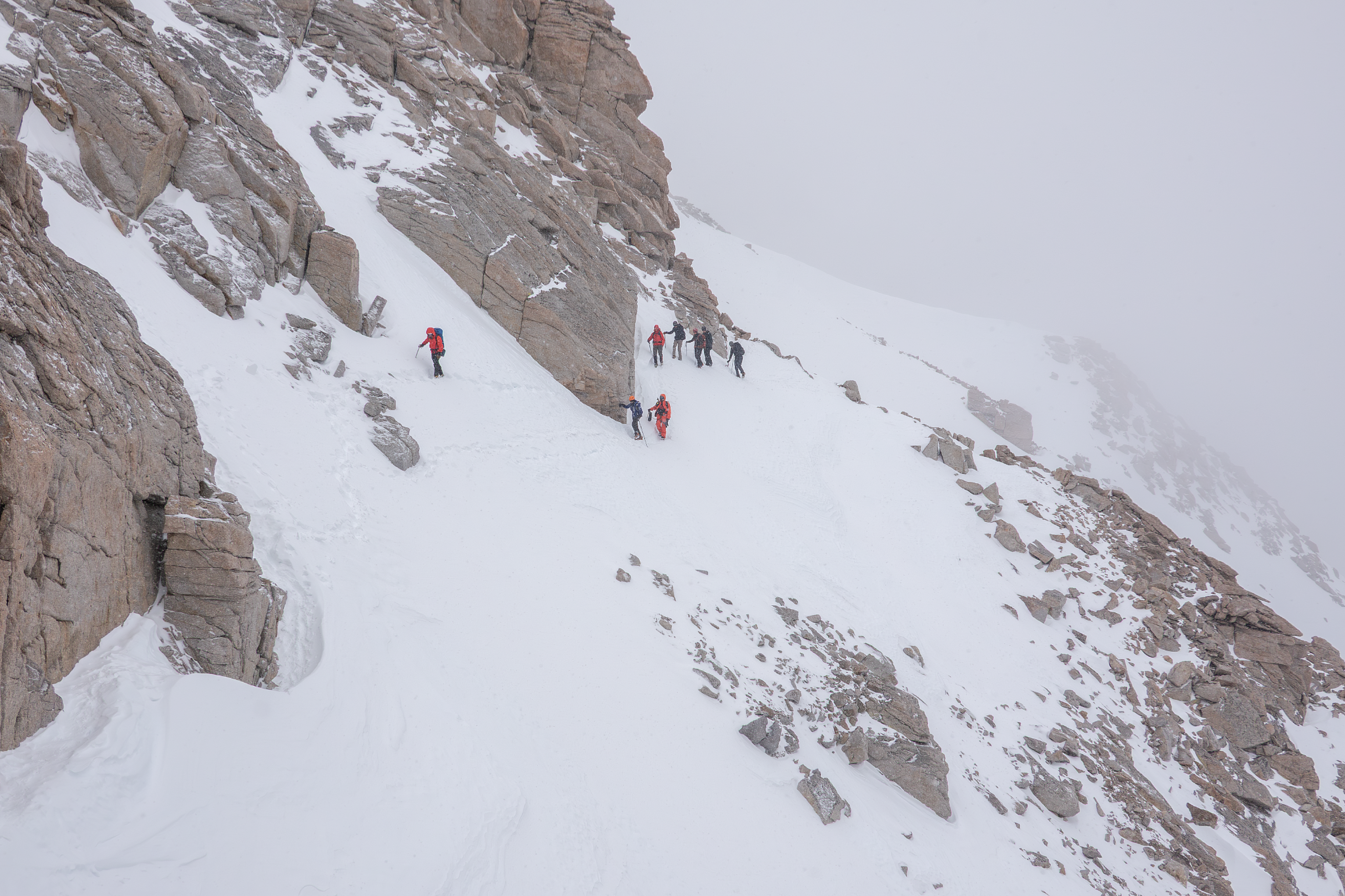
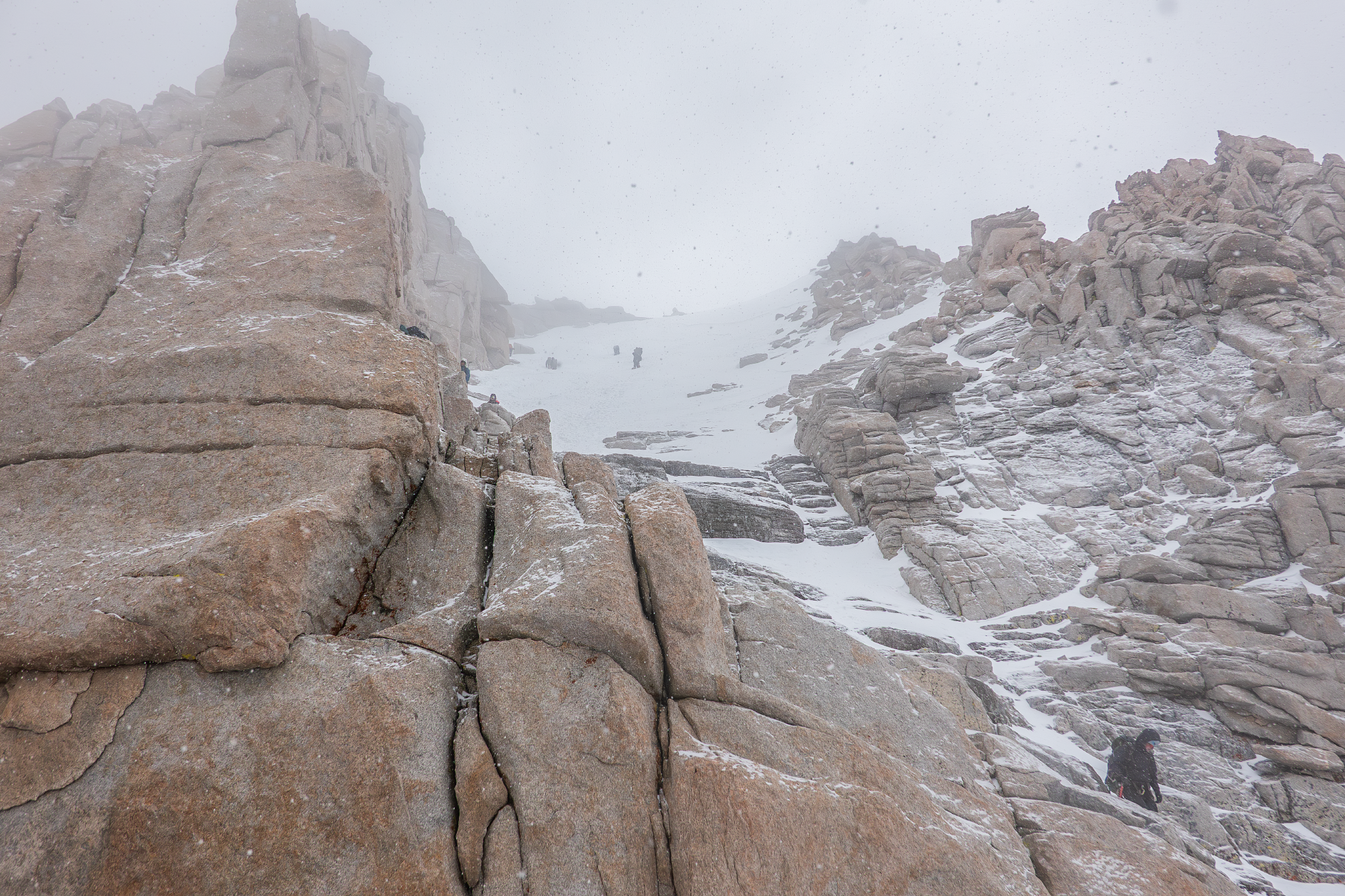
See Bolan, 2024, Gerbier, 2023, Peñaloza, 2020, Dao, 2019, Juliani, 2018, Johnson, 2014, Ferrari, 2005, Pimm, 2001, Ranger, 1984 and Hamilton, 1968.
MITIGATION
A hiker-in-mountaineering-terrain event. Improper gear and improper hazard mitigation. (InyoSAR stressed use of crampons for future aspirants). But details are sparse. In general, it is a bad idea for hikers to separate, unless all involved are highly experienced in the exact terrain and conditions that exist at the time, all are capable of self-rescue, all have sat-comms or a similar means of communication, all are familiar with the route and are fully capable of independent navigation even during inclement conditions, all are equally properly-equipped and a solid, clear logistical plan is agreed upon ahead of time that covers all contingencies in the event of one or more of multiple failure modes.
Any route on Mount Whitney in Winter conditions is at the very least a classic mountaineering objective. Depending on route and approach, it can be a technical mountaineering or a ski-mountaineering objective. It is by no means hiking terrain or a hiking objective, and experience in hiking plays no relevant role in a Winter ascent of Mount Whitney.
MEDIA
Joseph Brambila (age 21)
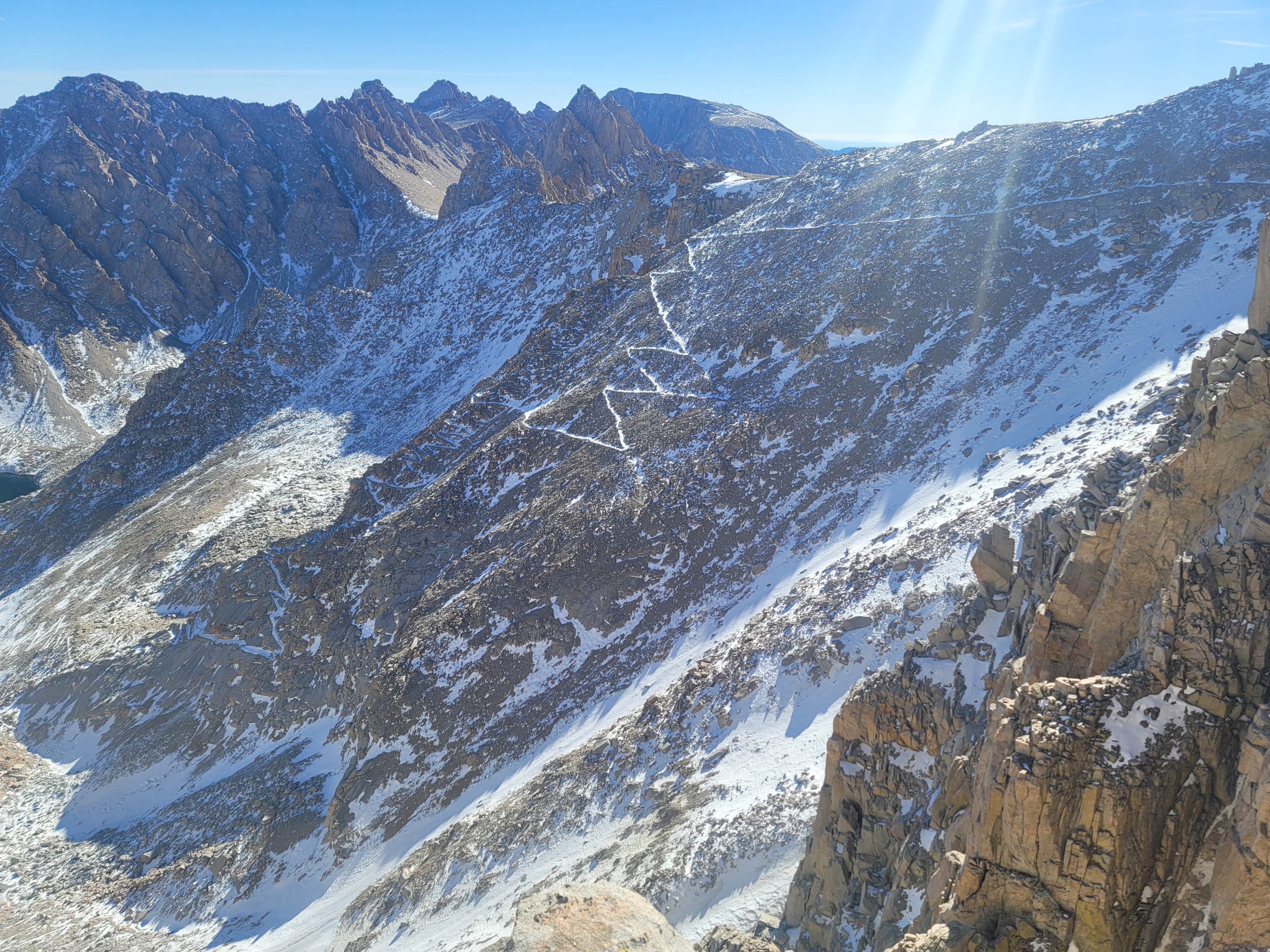
On November 11th, Joseph Brambila (21), after successfully reaching the summit and safely returning to Trail Crest (13,625 feet), attempted to glissade down the “Slope To Climber’s Right Of The 99 Switchbacks” (sometimes referred to as “The Chute”; an incorrect term considering the topology; it’s a face. The distinction is important; faces and couloirs present different hazards and require different mitigation strategies). There was very little snow on the ground at the time, and what was there was ice-adjacent névé interspersed with talus; snow that remained from a minor storm cycle that passed through the Sierra on October 14th-15th. Brambila began his glissade, but couldn’t control his descent speed, then failed to self arrest. His body was seen and photographed by a climber the next day. Three days later, on November 15th, a major storm cycle began that continued until November 23, depositing 73” of snow above 10k feet in the Southern Sierra. Brambila’s body was buried. If not for the photos taken on November 11th, which were used by both some members of the Whitney community and SAR agencies to triangulate Brambila’s location, it is likely that a recovery would not have been possible until the Spring melt-out. Brambila’s body was recovered on December 15th during a multi-agency effort using ground-penetrating radar, avalanche K-9s, beacons and RECCO detectors.
ANALYSIS
The Slope To Climber’s Right Of The Switchbacks is a common Spring route, for both ascents and descents, when the 99 Switchbacks are inundated with snow. It’s a 30º-35º North-East facing slope of about 1300 vertical feet that exists between Trail Camp and Trail Crest. In Spring shoulder conditions when it’s sufficiently filled-in with settled snow, it’s the preferred route choice; safer than the common Summer route (the famous 99 Switchbacks) which often present as dangerous, steep mixed rock and ice terrain until they fully melt out in June or July. In early-season conditions, both the 99 Switchbacks and the slope to climber’s right of them present objective and subjective hazards that often go unrecognized and unmitigated by hikers in mountaineering terrain.
MITIGATION
A hiker-in-mountaineering-terrain event. This was ultimately an LFCSAFTD (Lost Footing, Couldn't Self-Arrest, Fell To Death). Brambila attempted to glissade early season névé. While steep névé is difficult to self-arrest on, it's possible if done correctly, but the better option is to down-climb terrain like this when the conditions are sub-optimal for glissading. A TikTok video exists from June 2025 of him glissading a deep track down from Trail Crest. This experience likely set a standard in his mind of what a glissade feels like, but soft June snow and early-season névé are very different types of conditions requiring different hazard mitigation techniques. Accounts of hikers who saw him on November 11th state he was wearing street shoes and had no ax, helmet, crampons or even microspikes.
Incorrect glissading methods injure and kill hikers and climbers often.
Read an article on glissading.
MEDIA
Paul Jonathan Ortiz, Jr. (age 27)
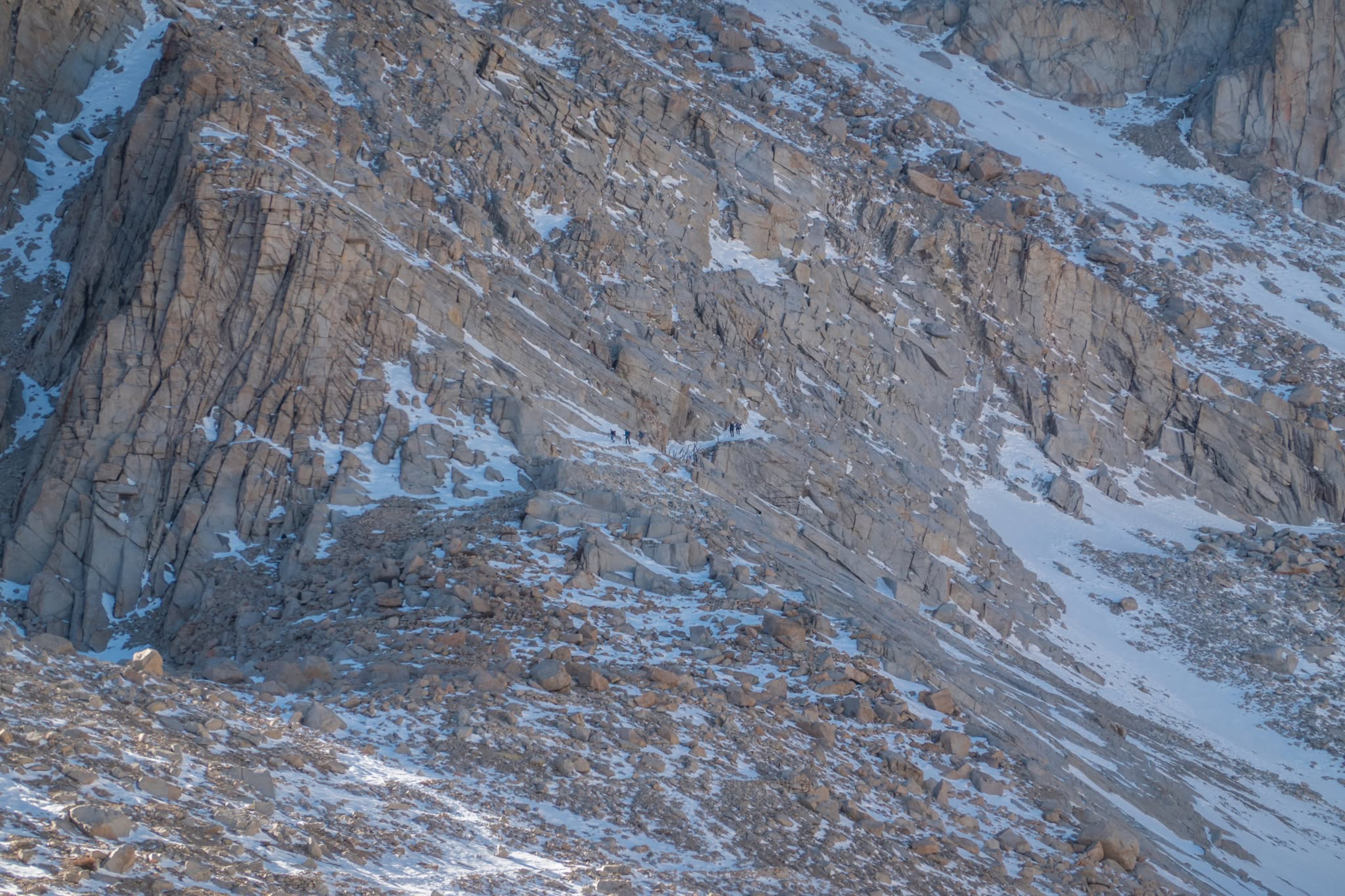
Paul Jonathan Ortiz Junior’s death on October 25 was the third of five fatalities that occurred on Mount Whitney in 2025. At the time of the incident, there was new snow at the site of the 99 Switchbacks from a relatively minor storm cycle that blew through the Sierra on October 14th-15th and deposited about 20” of snow above 11,000 feet onto dry granite. This snow had gone through ten days of melt-freeze cycles by the time Ortiz arrived, and in some areas had metamorphosed into ice-adjacent, firm névé. Ortiz began his ascent up the famous 99 Switchbacks, and somewhere around SB52, he slipped off of the trail and fell approximately 350 feet down granite slabs onto a steep snow-slope below an area known as the “Cable Section”. InyoSAR recovery was delayed due to inclement weather until October 27th.
ANALYSIS
Accounts from other hikers who interacted with Ortiz that day indicate that the equipment and techniques he was using at the time were more suitable for a hike, rather than a mountaineering objective (trek poles, no ice axe, no helmet, no crampons). While the Mount Whitney Main Trail in stable Summer conditions is indeed a hike (albeit an abnormally strenuous one to the highest point in the Lower 48), during the shoulder seasons, parts of the well-maintained Class 1 trail often cross the line of demarcation between hiking and classic mountaineering. What lies on the other side of this line of demarcation is often not well-understood by Whitney aspirants with insufficient credible experience interacting with alpine terrain and conditions. It is a common recurring theme here, and one that is responsible for many rescues and recoveries, exacerbated by proximity to large population centers (Los Angeles, San Diego and San Francisco), a strict permitting system and the draw of Whitney being a much-coveted alpine jewel.
MITIGATION
A hiker-in-mountaineering-terrain event. No appropriate gear or technique. Failure to read alpine terrain properly and mitigate the risks. Shoulder season attempts of Mount Whitney vary widely in scope and difficulty. Oftentimes, the view of the mountain from US395 at 4,000 feet gives a false impression of the conditions that exist above 12,000 feet. Hikers can get deep into an attempt and then find turning around difficult due to permit pressure and summit fever, after venturing into terrain and conditions they didn't expect to encounter. It's always extremely important to constantly reality-check any ascent plan and to make changes, including descending, when necessary. Verglas-covered granite at 13,000 feet well into alpine terrain is out of scope for what could reasonably be considered "hiking". Nevertheless, this has been a motivating factor for a great number of rescues and recoveries...
MEDIA
Harris Levinson (age 61)
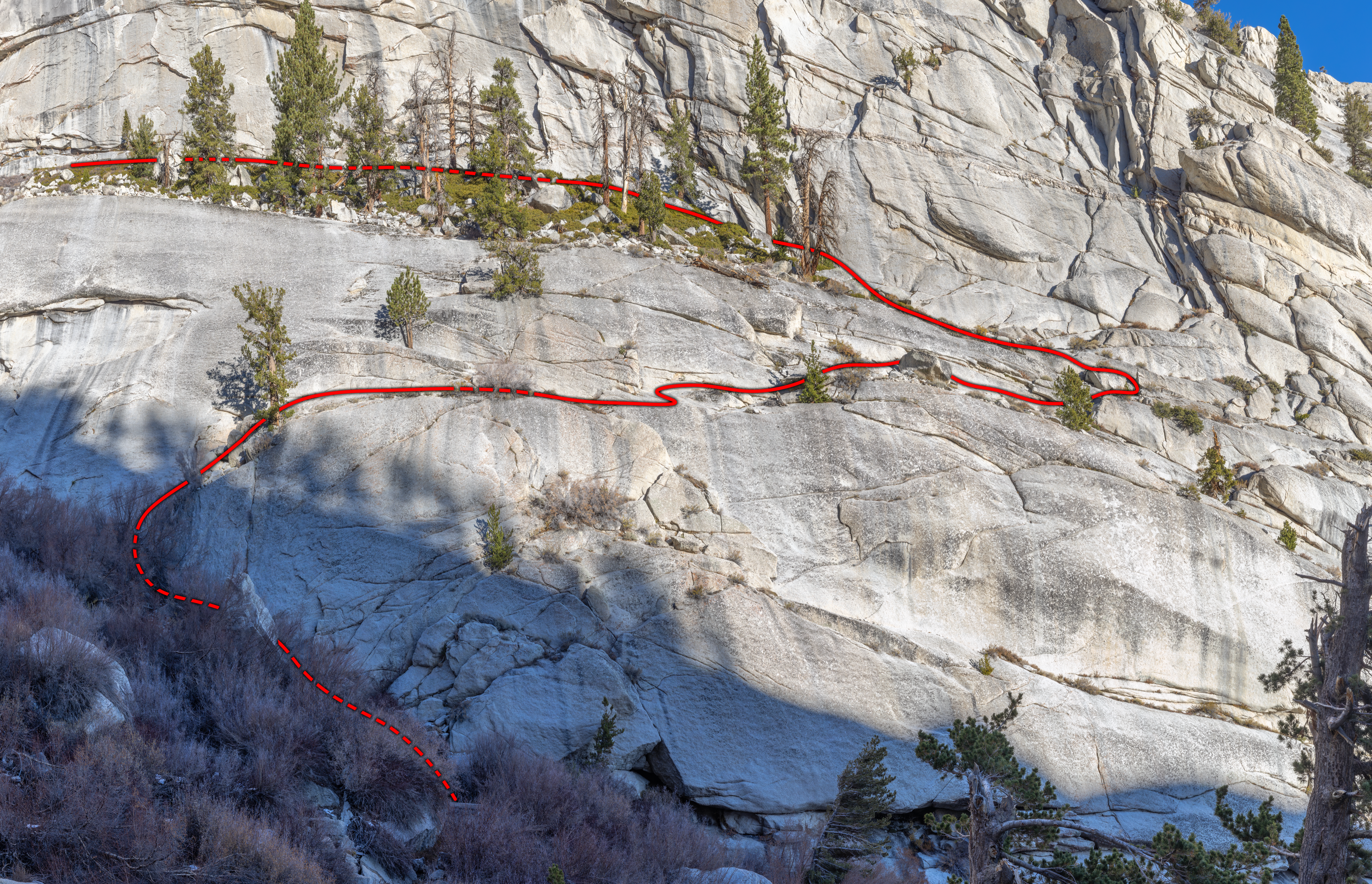
On July 9th, 2025, Harris Levinson (61), a hiker attempting a North-bound traverse of the John Muir Trail, was reported missing. The JMT traditionally starts or ends at Whitney Portal and includes the stretch of trail known as the Mount Whitney Trail, often referred to as the “Main Trail”. Levinson, however, began his hike on the Mountaineers Route, a shorter and steeper ascent that includes sections that fall outside of the “hiking” ecosystem. His body was found 1.4 miles from the Whitney Portal Trailhead below a part of the route known as the Ebersbacher Ledges (E-Ledges), suggesting a fall from the cliffs and ledge systems which characterize this section.
ANALYSIS
The E-Ledges are not technical, and they are usually done without ropes, but route-finding through them can be difficult for hikers who are unfamiliar with this kind of terrain. Levinson was likely carrying a heavy backpack, which could have contributed to the fall. It remains unclear why he was on the Mountaineers Route rather than the far more common Main Trail to start his JMT attempt.
MITIGATION
Too little information. This was most likely a case of a hiker in terrain he was not prepared for and unfamiliar with. Route-finding through the E-Ledges can be difficult, even in daylight, for people who have never been on the route. Many people have gotten dangerously off-route here and have proceeded into an intractable situation.
MEDIA
Unnamed/unknown
ANALYSIS
Flown out from near Lone Pine Lake. Likely myocardial infarction.
MITIGATION
No reasonable mitigation.
MEDIA
No news. Media blackout.
Taylor Rodriguez (age 29)
ANALYSIS
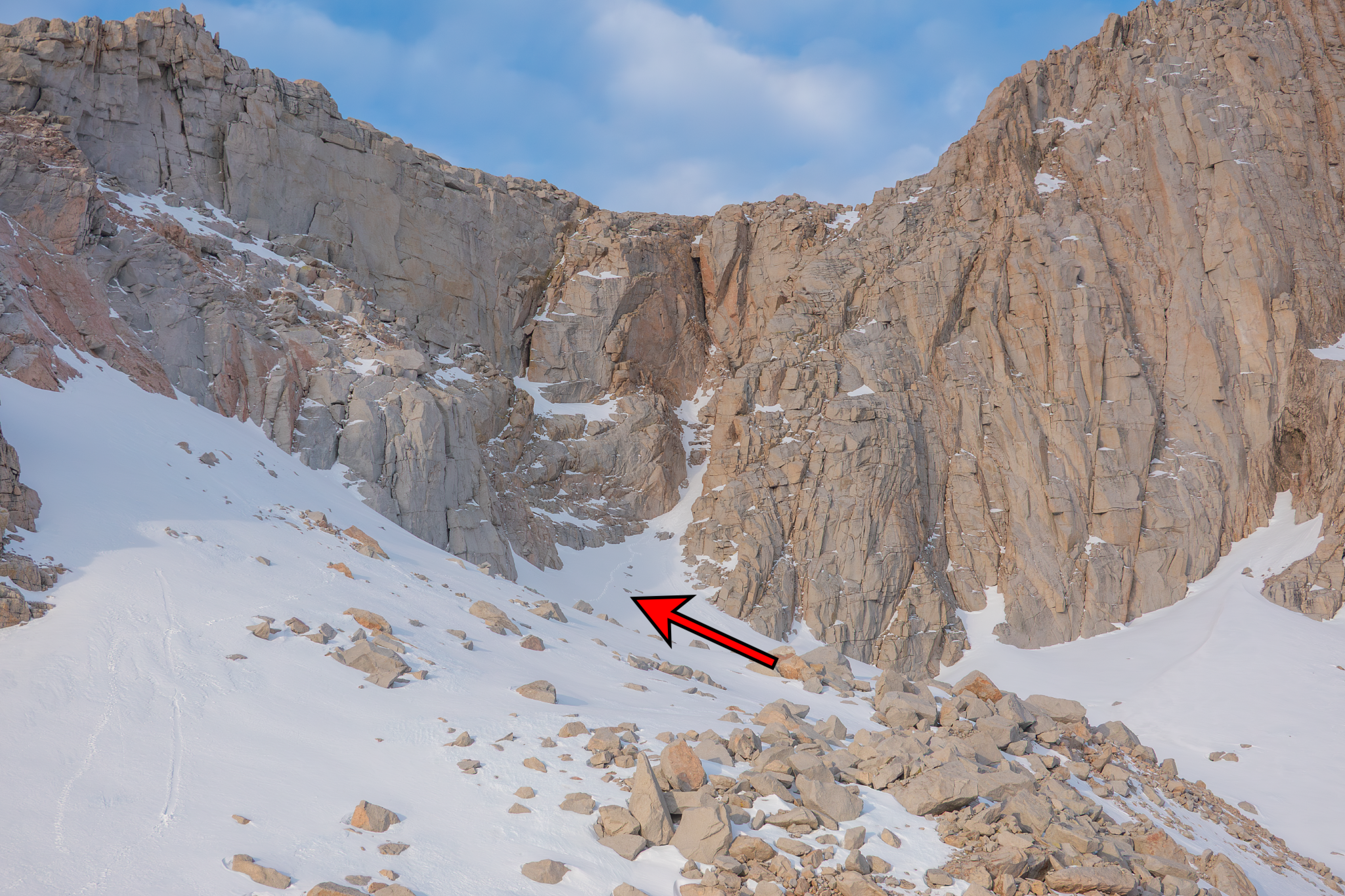
Little information available. Was found NorthWest of UBSL at ~12,000 feet.
MITIGATION
Likely off-route. Might have thought Sakai Pass was the route. May have been attempting Russell and took the gully route some people attempt instead of the slope that leads to the Russell/Carillon Col. This is almost likely a hiker-in-mountaineering-terrain event. InyoSARs post stated; "there are concerns that he may be without adequate gear and has limited hiking experience"...
See John Lee in 2016.
MEDIA
Sahaj Singh Saggu (age 26)
ANALYSIS
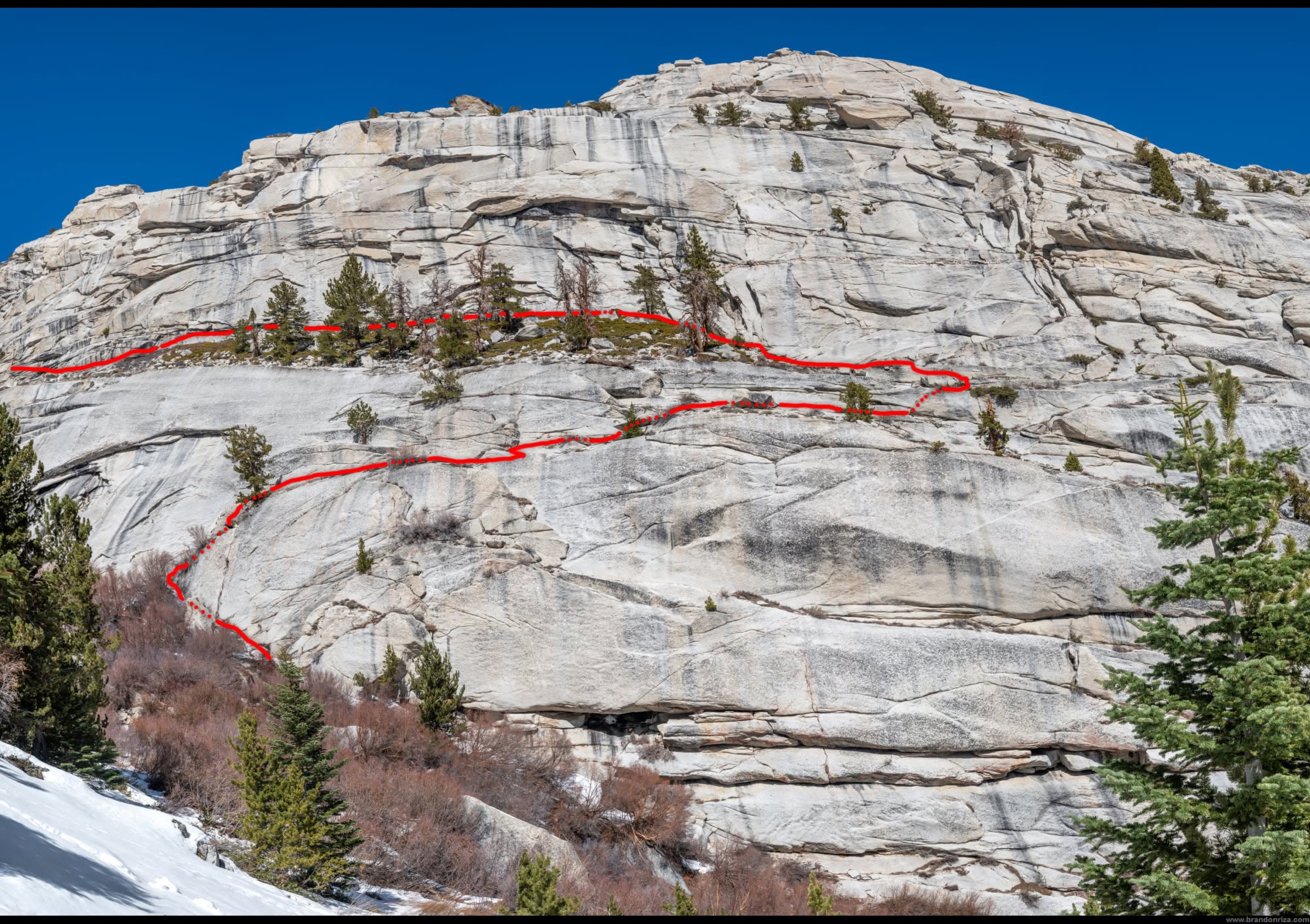
A guided climber struck by rockfall after descending the E-Ledges when they stopped next to the Waterfall to take a break and do a gear transition. It remains unclear if the rockfall was triggered by other climbers or if it was naturally-occurring.
MITIGATION
Taking breaks and doing gear transitions in alpine hazard zones is a consequence multiplier. Breaks and gear transitions should be done prior to or after entering or exiting potentially dangerous terrain. In this specific case, had they walked across the stream before taking their break and removing their helmets, this incident would likely have been avoided.
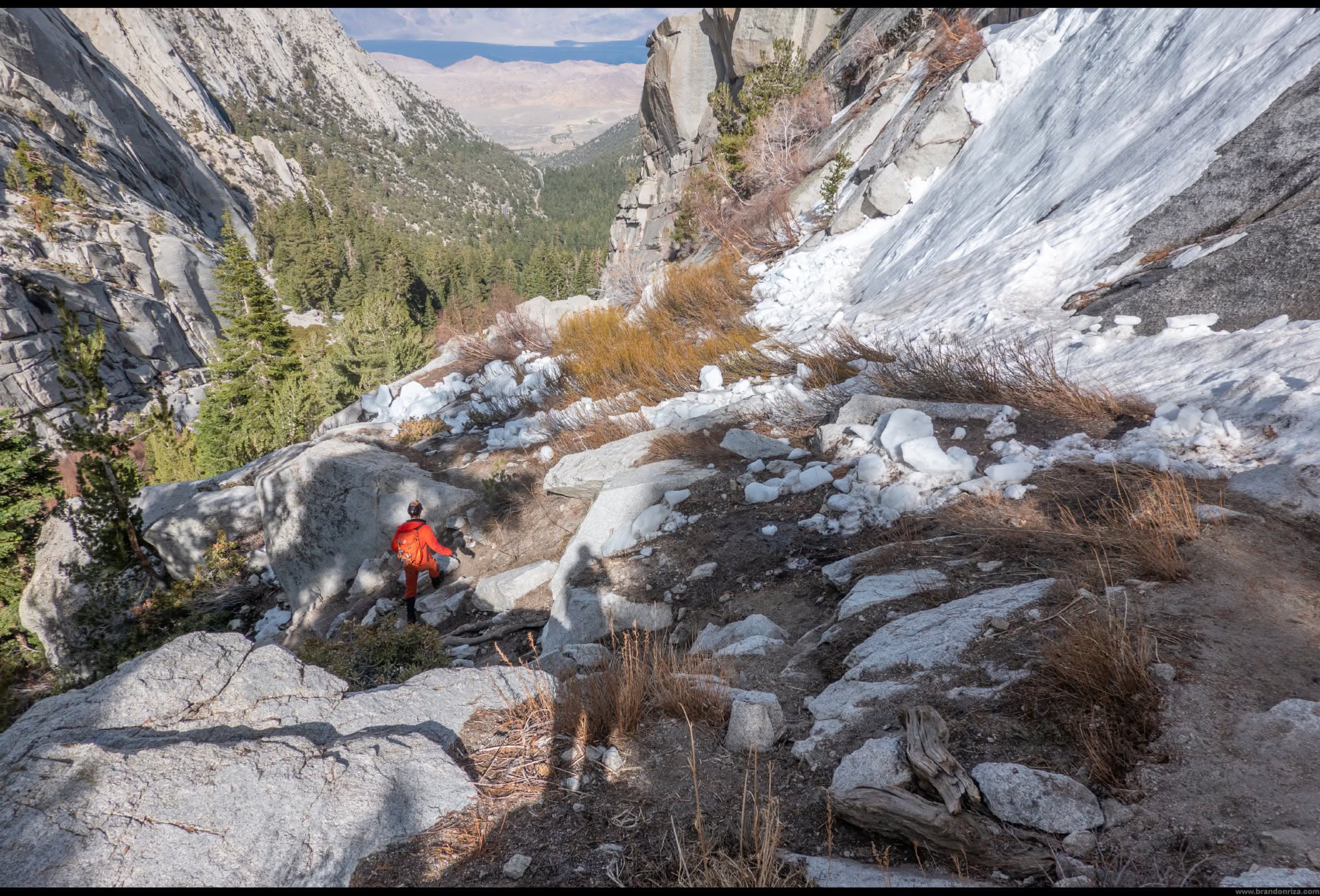
Typically helmets should be worn until the Main Trail junction, the entire area is a rockfall zone (and icefall zone, in some conditions). The E-Ledges are South-facing and are usually dry and free of ice, even shortly after storm cycles, but the North-facing side of the gulley frequently hold sheets of ice that build up and remain until well into Spring. This ice build-up and subsequent release has been the trigger event of a few incidents and rescues.
MEDIA
Double fatality of Patty Bolan (age 29) and Andrew Niziol (age 28)
ANALYSIS
LFCSAFTD from The Traverse. Patty Bolan and Andrew Niziol both fell from The Traverse after having climbed the Final 400. They had a tentative plan to snowboard from The Notch and left their snowboard gear there, where it was later found and retrieved. Both were wearing standard snowboard boots and were having troubles keeping crampons on them. Photos and comments from other hikers who were on-site that day indicate that both of them were struggling with haphazard gear configurations.
They likely arrived on the summit after having struggled up the Final 400 and mistakenly decided that the Summer route variation known as "The Traverse" (aka "The Easy Walkoff") was the safer descent option. The "Easy Walkoff" is not a viable (safe) route option in Winter conditions for a variety of complex reasons that frequently go unnoticed by people without a sufficient degree of credible experience in alpine terrain. No reports indicate that they were roped together when they fell, so the mostly likely scenario is that one fell, and the other reacted or attempted to intervene, then also fell.
They had met up with a partner on the mountain but had separated on the summit. It's possible that this person descended the Main Trail and was unaware that Patty and Andrew had descended towards the "Easy Walkoff". It's also possible that this person descended the Final 400 and arrived at The Notch after the fall had occurred, assumed that they just hadn't made it back to The Notch yet, and decided to descend without them.
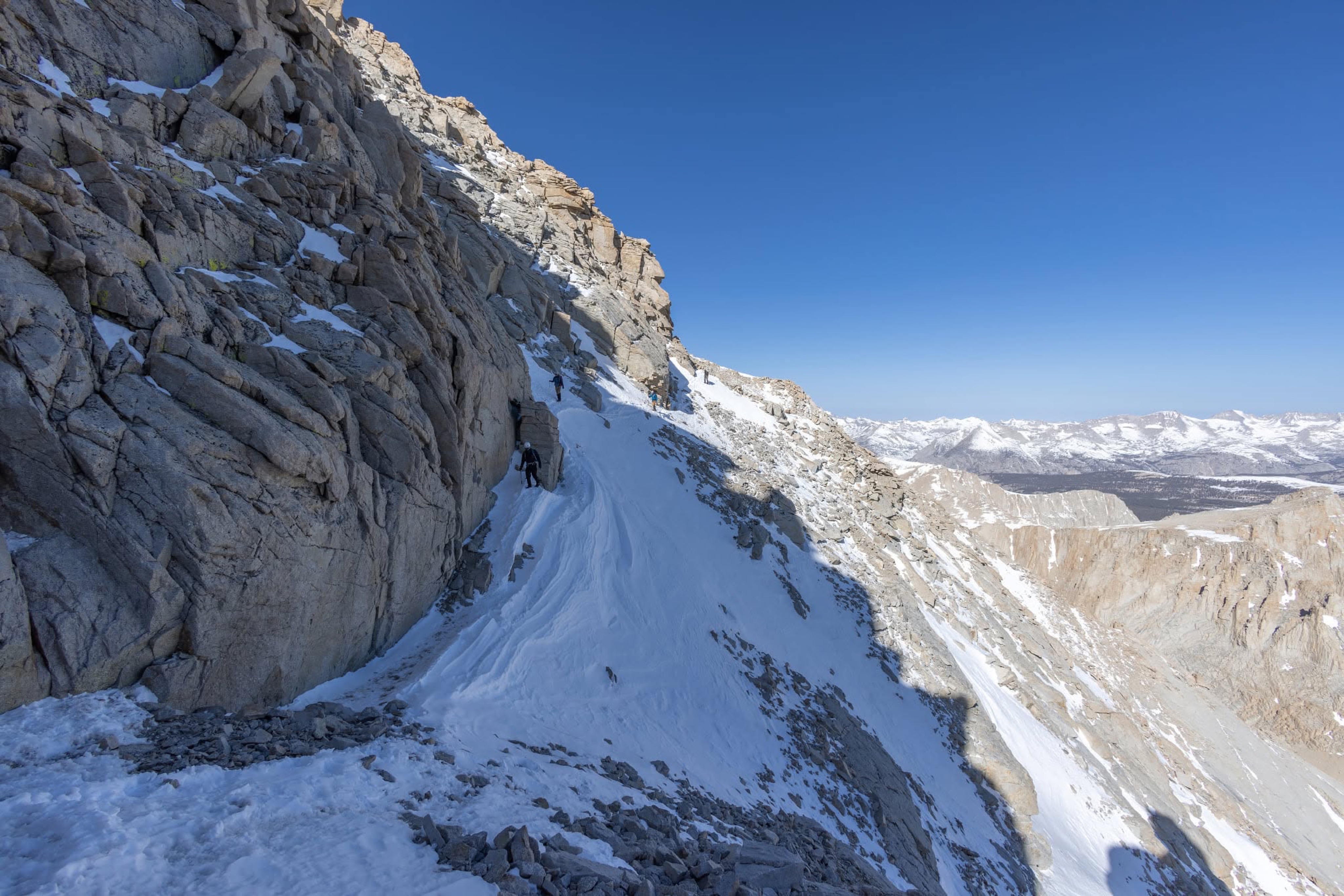
See Unnamed, 2026, Gerbier, 2023, Peñaloza, 2020, Dao, 2019, Juliani, 2018, Johnson, 2014, Ferrari, 2005, Pimm, 2001, Ranger, 1984 and Hamilton, 1968.
MITIGATION
Hiker-in-mountaineering-terrain event. Neither had credible experience in the kind of terrain that they were interfacing with (14,500 feet North-facing terrain is rare) and they couldn't keep crampons on their snowboard boots reliably. Use of an ice ax was likely for at least one of them; Patty was photographed on the summit, standing just at the drop into the Final 400 couloir, with a Black Diamond Raven ice ax lashed to her pack. She was not wearing crampons in this photo.
Snowboard boots are difficult to pair with crampons due to their bulk, but properly fitting crampons are a necessity in alpine terrain and conditions. Many experienced snowboard-mountaineers use specific gear because of this requirement. North-facing terrain at 14,500 in Winter or Winter-adjacent conditions is a serious endeavor that requires tested and vetted hazard mitigation techniques and specific gear.
MEDIA
Tom Gerbier (age 38)
ANALYSIS
LFCSAFTD from The Traverse. Off route and with microspikes. Use of axe is uncertain. Tom was not a local, to California or to the US. He flew from out-of-country (France) to climb here (he was an Air France pilot). He likely had no frame of reference regarding the "Easy Walkoff".
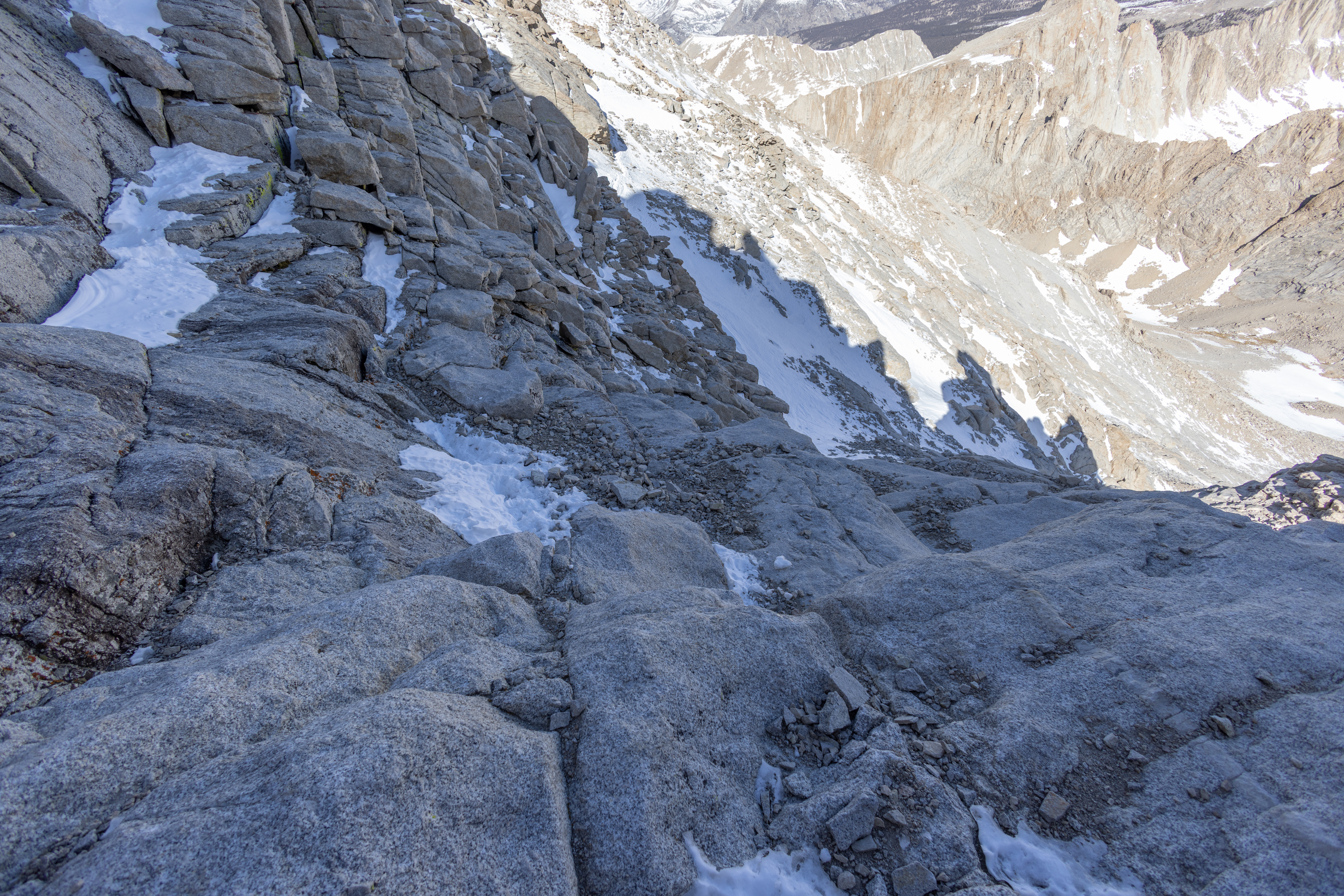
See Unnamed, 2026, Bolan, 2024, Peñaloza, 2020, Dao, 2019, Juliani, 2018, Johnson, 2014, Ferrari, 2005, Pimm, 2001, Ranger, 1984 and Hamilton, 1968.
MITIGATION
Media reports regarding experience level are frequently exaggerated. While this is common, it's also a subjective hazard trap. It's extremely important to constantly self-assess your own level of "experience" and that of your partners. Over-estimating one's own experience level can and does injure and kill people. Failure to assess alpine hazards, improper gear, and bad route finding are all examples of subjective hazard failures that can be learned, mitigated and avoided. Experience is deep, vetted understanding, informed by countless events and compared against countless others, directly relevant to the activity that you are currently engaged in.
MEDIA
Hokshila Andrade (Vytautas Kazlauskas) (age 41)
ANALYSIS
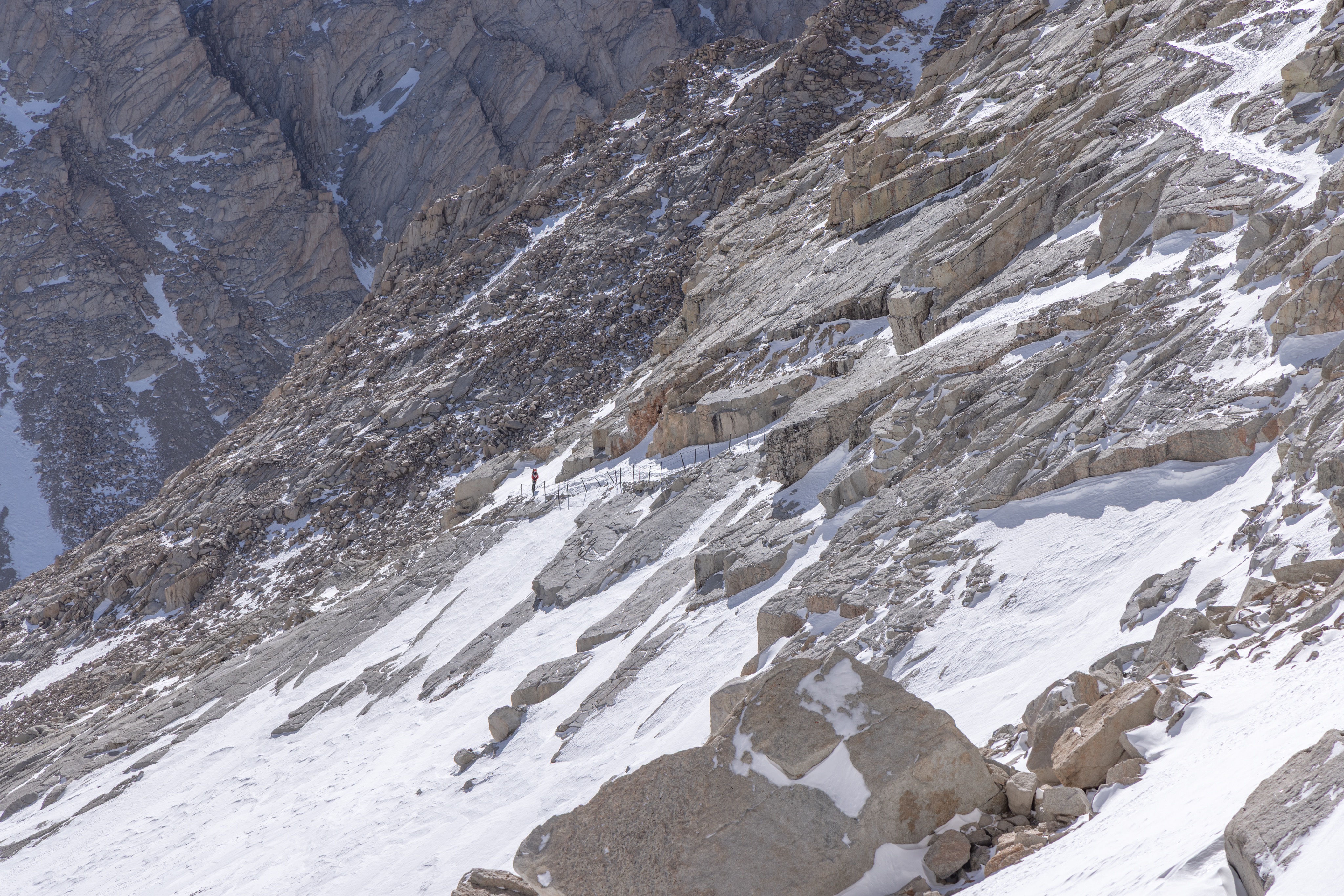
Hok fell from near the Cable section of the 99 Switchbacks in early season conditions when they were frozen over. He was equipped with trek poles and microspikes and was not wearing a helmet. This incident happened less than 24 hours after I was involved with the rescue of a hiker in the exact same place for similar reasons.
MITIGATION
A hiker-in-mountaineering-terrain event. Failure to properly assess alpine hazards. Inexperience in alpine terrain. Permit pressure likely played a role in this event. People frequently attempt Mount Whitney late in the "off-season" when the lottery permitting process is not active. April is usually Winter-adjacent conditions on Mount Whitney; hiking below about 11,000 feet and Classic Mountaineering above 12,000 feet. Hikers who attempt the Main Trail in these conditions are very frequently under-equipped and fail to recognize the line of demarcation that exists between hiking and even basic mountaineering.
MEDIA
Eric Gopfert (age 50)
ANALYSIS
Eric fell from the E-Ledges while descending the Mountaineers Route during or after an active storm cycle. Articles indicated that he may have been suffering from AMS at the time of the fall and was carrying a heavy pack for a multiday backcountry trek.
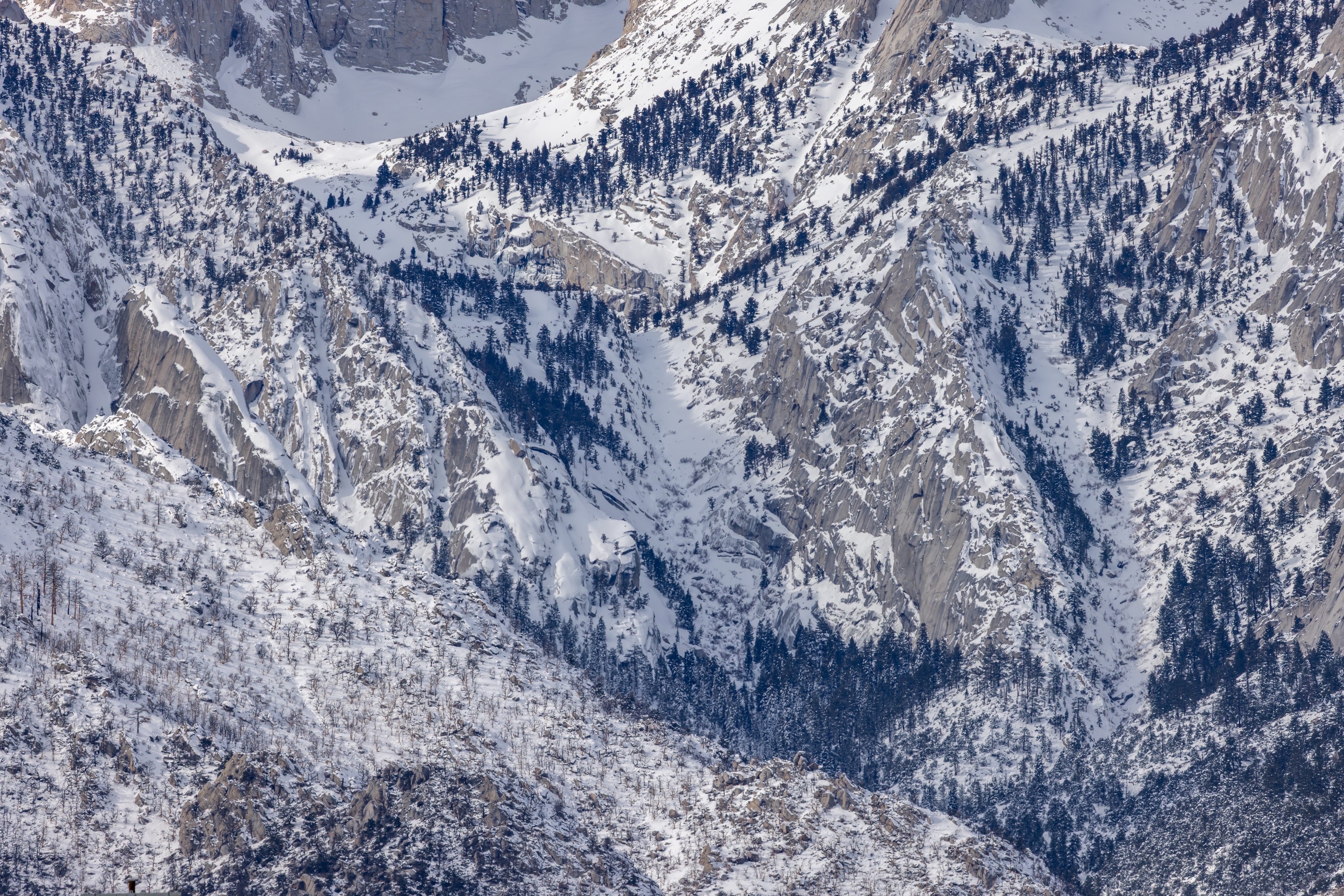
MITIGATION
Likely an incorrect read of alpine hazards. If it was actively precipitating, he should've paused his descent, even if it meant another night out on the mountain. He was likely fatigued and carrying a heavy load.
See Meining.
MEDIA
Hao Huang (age 34)
ANALYSIS
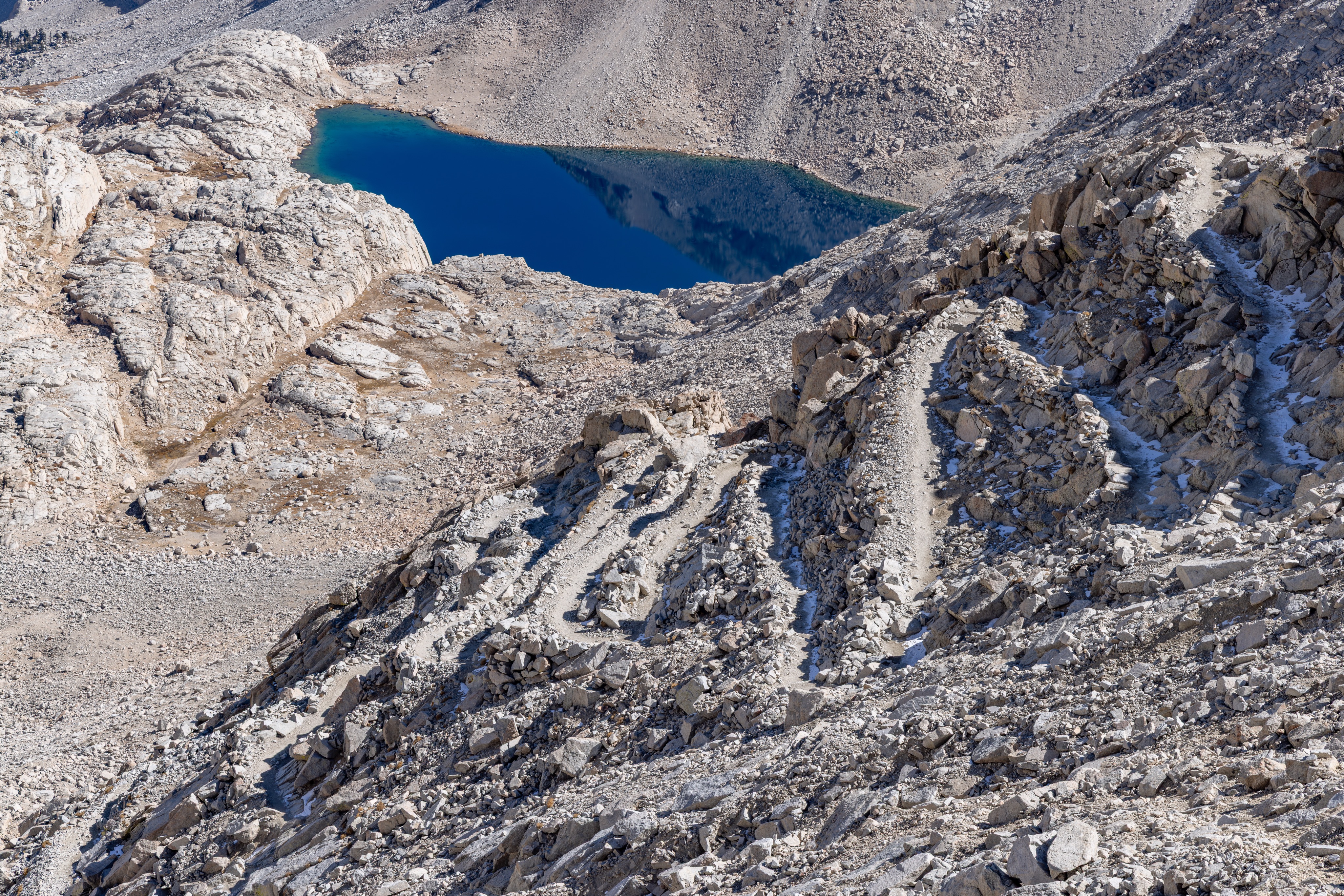
Hao fell from the Switchbacks. His body was (likely) found below the cable section of the Switchbacks. Very little info exists for this incident and an LFCSAFTD is unlikely considering this was in early November; the rock was dry at this time. He may have slipped on loose rock or something similar.
MITIGATION
More information is needed to understand mitigation strategies.
See Wingo 1998.
MEDIA
None.
Saulo Sifuentes Escalante (age 36)
ANALYSIS
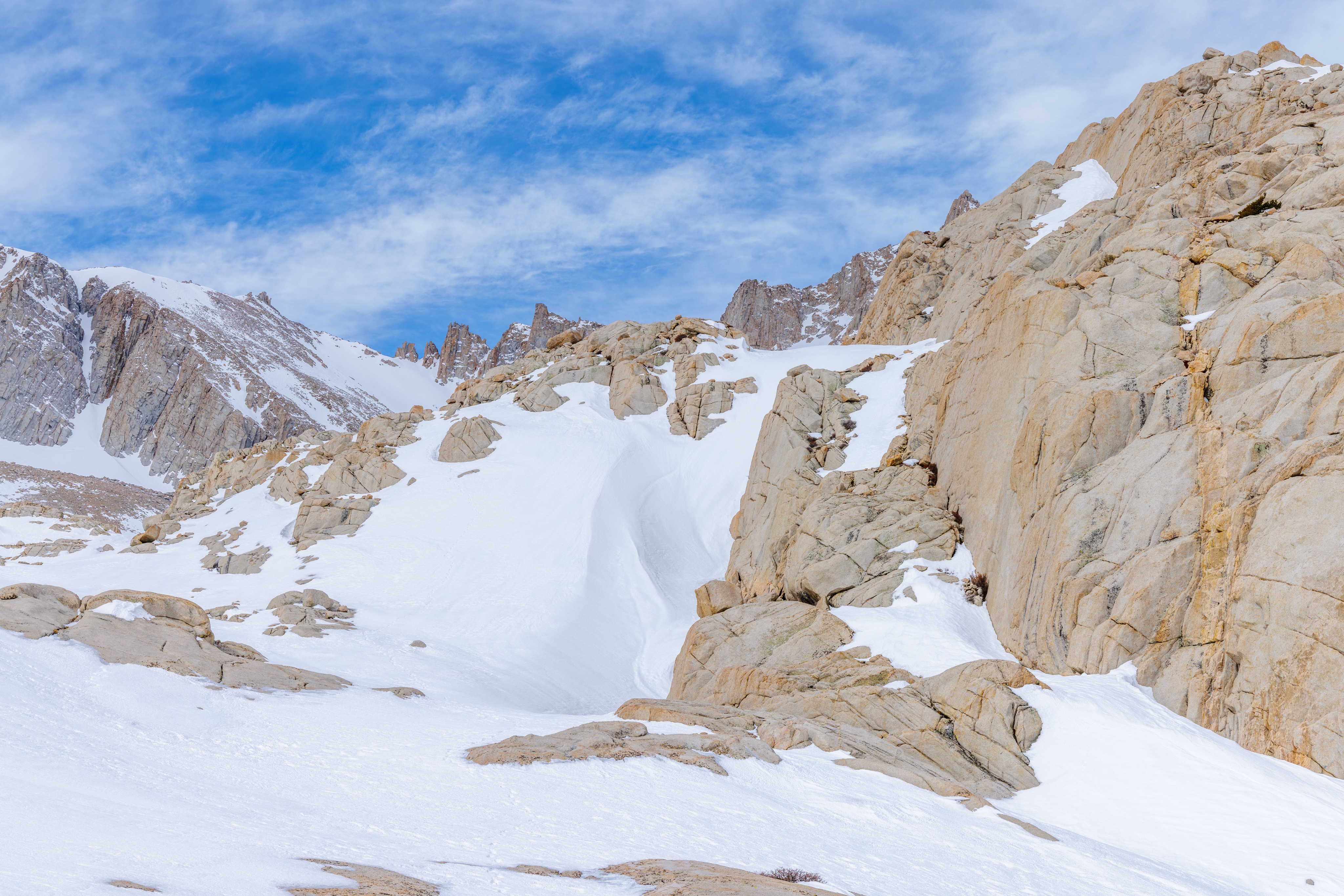
Saulo fell in a chute above Trailside Meadow. Likely a microspike/trek pole incident. Reports indicate that he was climbing a steep chute, but it's more likely that he was actually on trail just before Trail Camp and slipped here. This is a problematic section every year. People get maplocked and follow the trail even though the terrain and conditions indicate there are better options.
MITIGATION
During shoulder season conditions, a "Winter Route" exists that bypasses the steep cliff section the Main Trail runs through above Trailside Meadow. This route exits the Slabs Above Mirror Lake directly to Looker's Left and follows gently sloping terrain all the way into Trail Camp. Many hikers, unfamiliar with off-trail travel in snowy conditions and reliant on mapping apps (AllTrails, for example), frequently continue to attempt to take the trail route itself when the better option exists just to their left. These types of hikers also typically are treating the ascent as a hike, rather than a classic mountaineering objective, so they lack the critical equipment needed to mitigate dangerous sections of alpine terrain and trail sections that traverse across steep no-fall zones on firm névé (trek poles and microspikes instead of crampons on mountaineering boots, an ice ax and a helmet). They fail to recognize when they have crossed the line of demarcation between hiking and classic mountaineering and fall...
MEDIA
Cassandra Bravo (age 34)
ANALYSIS
Cassandra ultimately died of exposure. She fell off of the trail shortly after leaving the trailhead, suffering blunt-force trauma injuries significant enough to immobilize her. She survived two full nights out on the mountain (at an unknown elevation and location) while rescue efforts were underway. She was rescued, but died in the hospital hours after arriving. She attempted to hike Mount Whitney while an active storm system was forecasted to blow through the area. Her plans were unknown.
MITIGATION
This one falls more accurately into tourist category. She wasn't a regular hiker by any accounts. She was likely unaware of the approaching storm cycle and temperature fluctuation possibilities. If you're entering alpine terrain, check reliable weather forecasting services and plan route and gear logistics accordingly. The fact that she survived for 48 hours in alpine terrain during inclement weather conditions while injured is incredible and a testament to her mental strength, which is always at least half of the battle...
MEDIA
Jose Ramiro Leon Peñaloza (age 29)
ANALYSIS
LFCSAFTD from The Traverse. By all accounts, Jose was a fairly accomplished gym climber and had some experience on trad routes. Alpine terrain at 14,500 in shoulder season conditions was likely far enough out of his element for him to mis-read terrain cues and the types of objective hazards that exist in this kind of terrain and conditions. He chose to descend "The Traverse" when it was characterized by snow and ice, rather than down-climb what he had climbed (The Final 400). He slipped, was unable to self-arrest (possession of ice ax and use of crampons on mountaineering boots and helmet is uncertain) and fell down the North Face of Mount Whitney. This has proven to be an unfortunately-common heuristic trap. Hikers frequently find themselves either unwilling or unable to down-climb the steep terrain that the Final 400 presents and decide to attempt the "Easy Walkoff" (aka "The Traverse" "2nd Class Traverse". This route option is far more dangerous than a down-climb of the Final 400 for many reasons that usually go unnoticed by hikers without sufficient vetted experience in alpine terrain to recognize it as a danger zone.
See Unnamed, 2026, Bolan, 2024, Gerbier, 2023, Dao, 2019, Juliani, 2018, Johnson, 2014, Ferrari, 2005, Pimm, 2001, Ranger, 1984 and Hamilton, 1968.
MITIGATION
Regardless of the notable experience as a gym climber, this is another hiker-in-mountaineering-terrain event. Experience between ecosystems has only limited cross-over potential.
MEDIA
Ling Dao (age 41)
ANALYSIS
LFCSAFTD from The Traverse. Very compressed travel schedule. Fatigue may have been a factor. Lack of gear was also likely a factor; he wasn't a climber.
See Unnamed, 2026, Bolan, 2024, Gerbier, 2023, Peñaloza, 2020, Juliani, 2018, Johnson, 2014, Ferrari, 2005, Pimm, 2001, Ranger, 1984 and Hamilton, 1968.
MITIGATION
Hiker in mountaineering terrain. Failure to properly assess alpine hazards.
MEDIA
Eric Juliani (age 29)
ANALYSIS
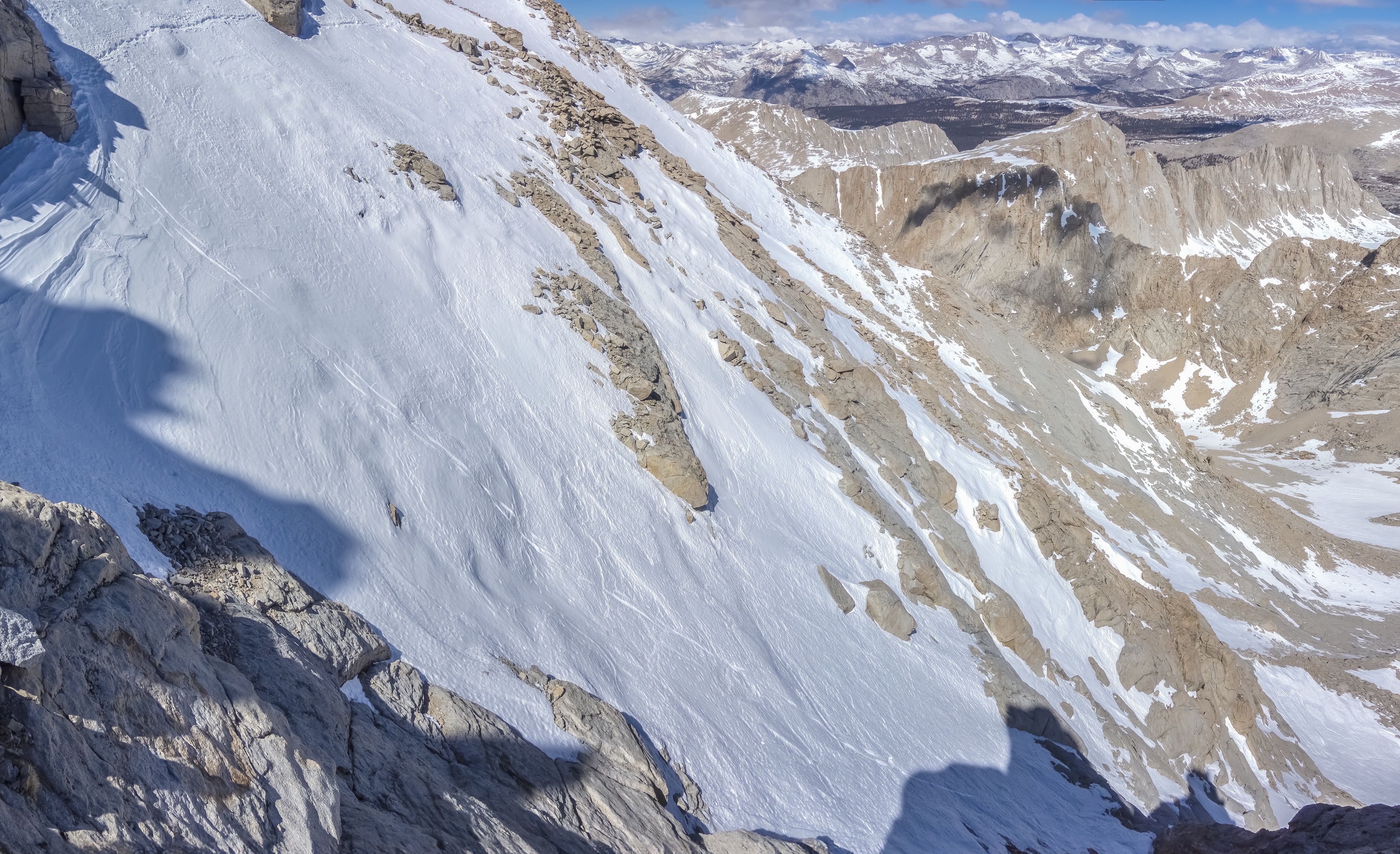
LFCSAFTD from The Traverse. Eric was not wearing crampons. Off route. He climbed the Main Trail, left his partners, and descended the Mountaineers Route.
See Unnamed, 2026, Bolan, 2024, Gerbier, 2023, Peñaloza, 2020, Dao, 2019, Johnson, 2014, Ferrari, 2005, Pimm, 2001, Ranger, 1984 and Hamilton, 1968.
MITIGATION
No crampons or helmet. If you zoom into the photo above, it's apparent that there was no attempt to self arrest. He had placed his ice axes in the snow for some reason right before he fell. This is a hiker-in-mountaineering-terrain event.
MEDIA
Dongying "Cindy" Qui (age 27)
ANALYSIS
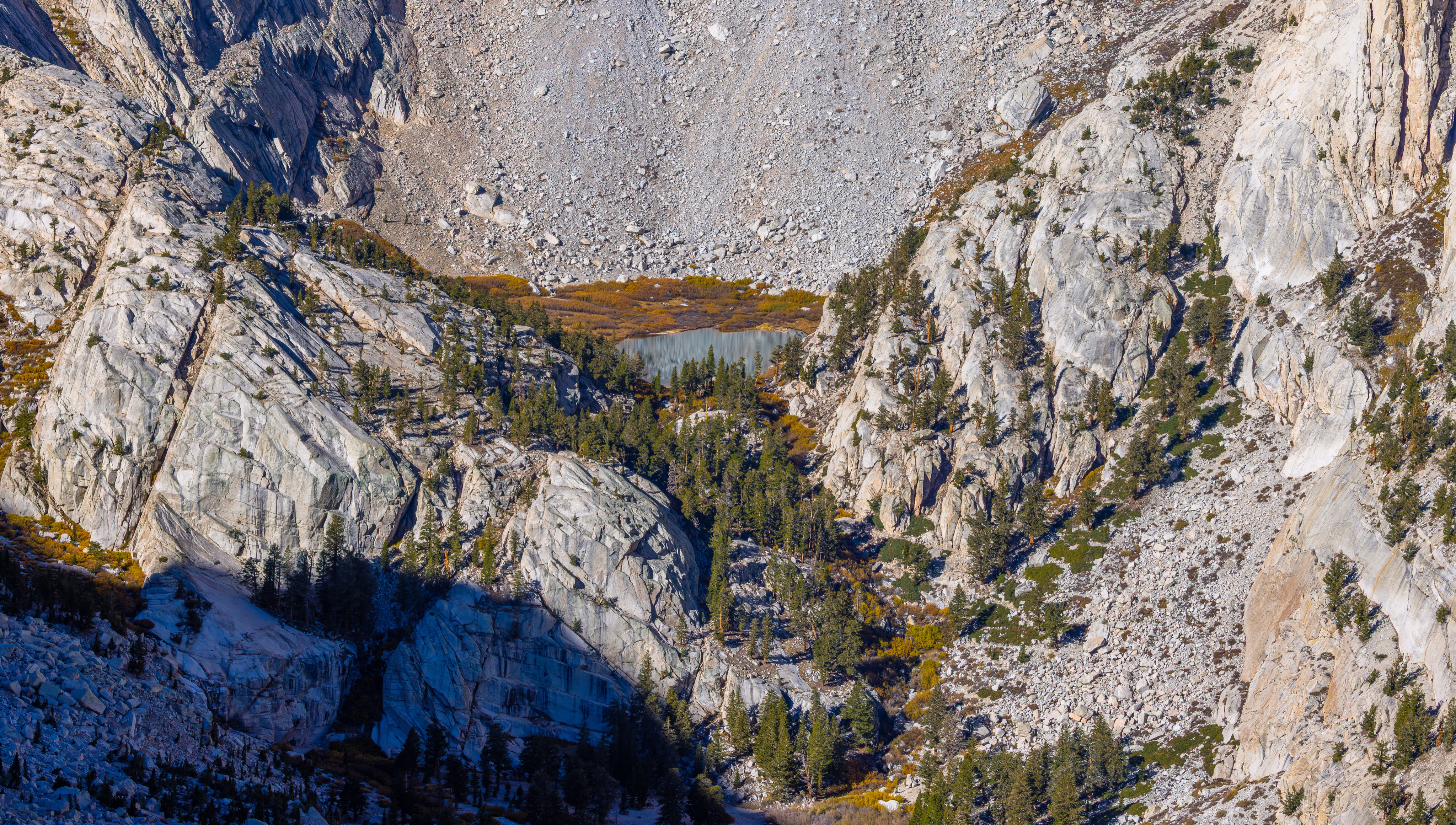
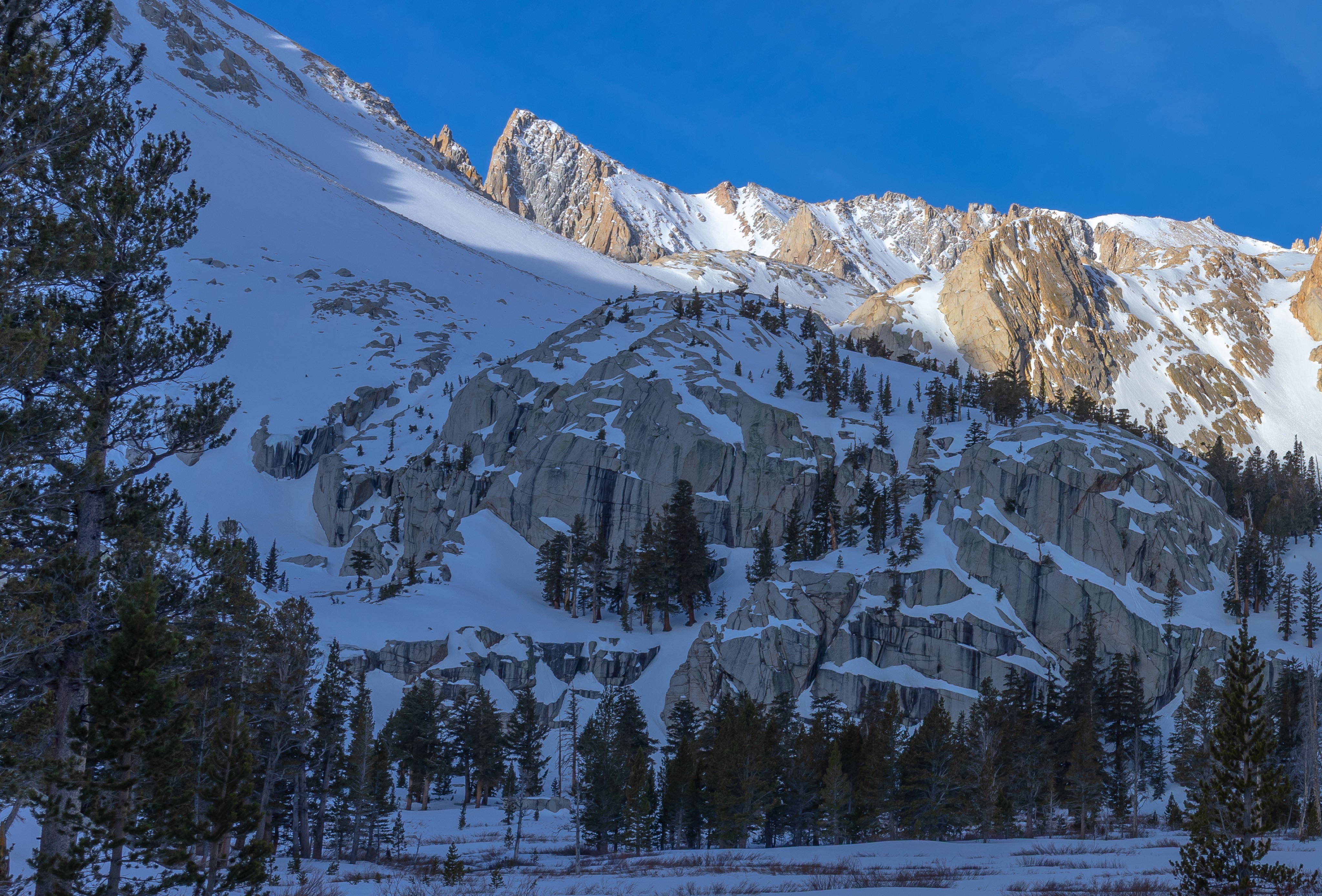
Cindy descended alone on the Main Trail after having turned around at Trail Crest. She began the hike with two partners, one of whom turned around before Cindy decided to (prior to reaching Trail Crest), while the other left her at Trail Crest and proceeded to the summit. On her descent, she became disoriented on the ridge above Mirror Lake, descended skier's left onto a snowy slope characterized by rockbands, and eventually fell near (above) the Outpost Camp waterfall. It was a big snow year and there was still a lot of remaining snow on the route, even as low as Outpost Camp. She fell through a snow bridge that was covering the South Fork Lone Pine Creek (the stream that exits Trail Camp Tarn and flows through Trailside Meadow, then to skier's left of the Slabs Above Mirror Lake).
MITIGATION
This was ultimately a navigation error. She lost the trail and descended into more serious terrain that required specific mitigation. Proper navigation tools would have prevented this fatality. Party separation played a secondary role. Her partner who descended first without her knew the route and made it back to Whitney Portal safely, as did the partner who proceeded to the summit (and later reported her as overdue).
In general, it is a bad idea for hikers to separate, unless all involved are highly experienced in the exact terrain and conditions that exist at the time, all are capable of self-rescue, all have sat-comms or a similar means of communication, all are familiar with the route and are fully capable of independent navigation even during inclement conditions, all are equally properly-equipped and a solid, clear logistical plan is agreed upon ahead of time that covers all contingencies in the event of one or more of multiple failure modes.
MEDIA
Inyo County Sheriff Post on Facebook
Inyo County Sheriff Post on Facebook Update
Unnamed
ANALYSIS
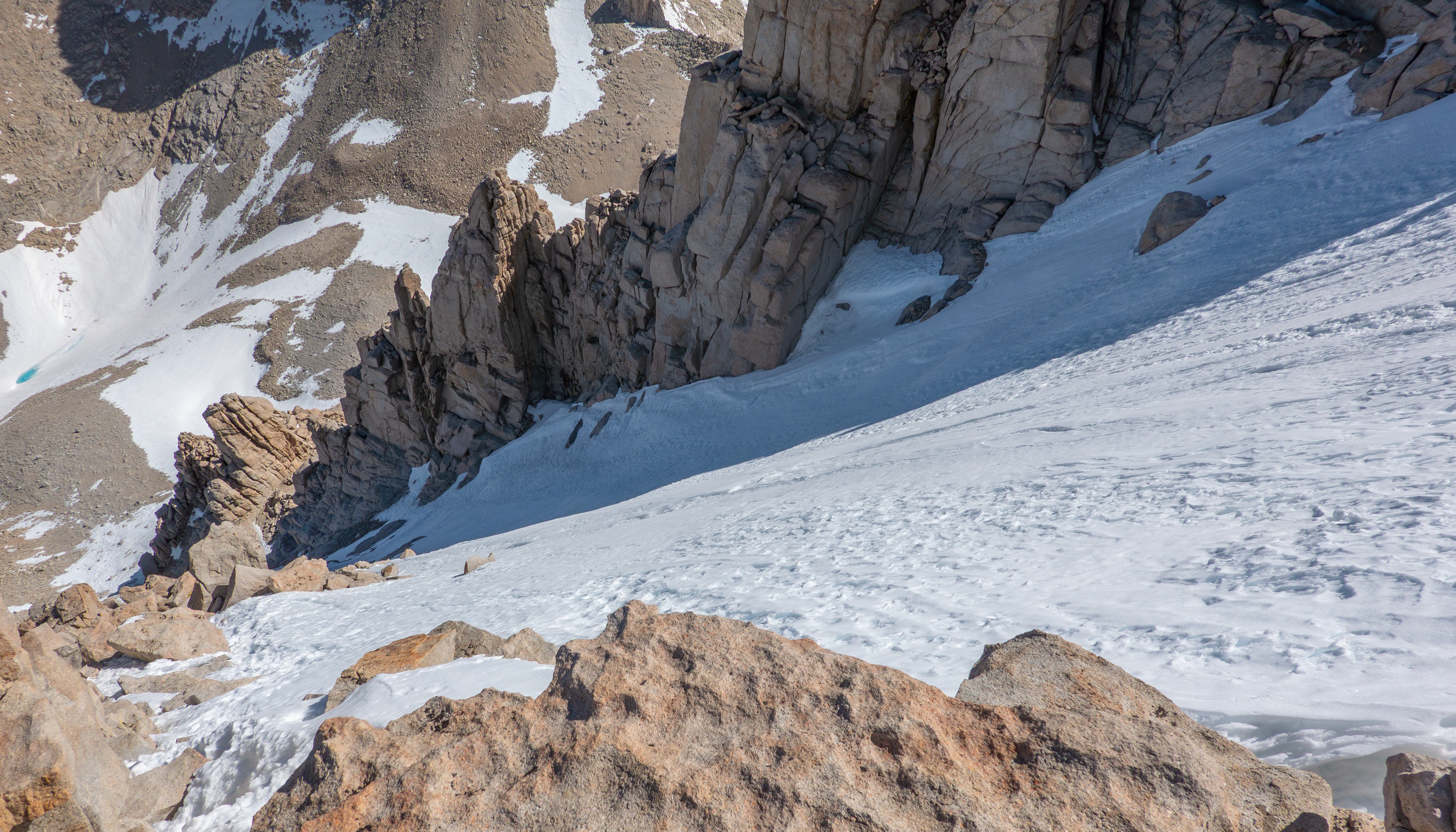
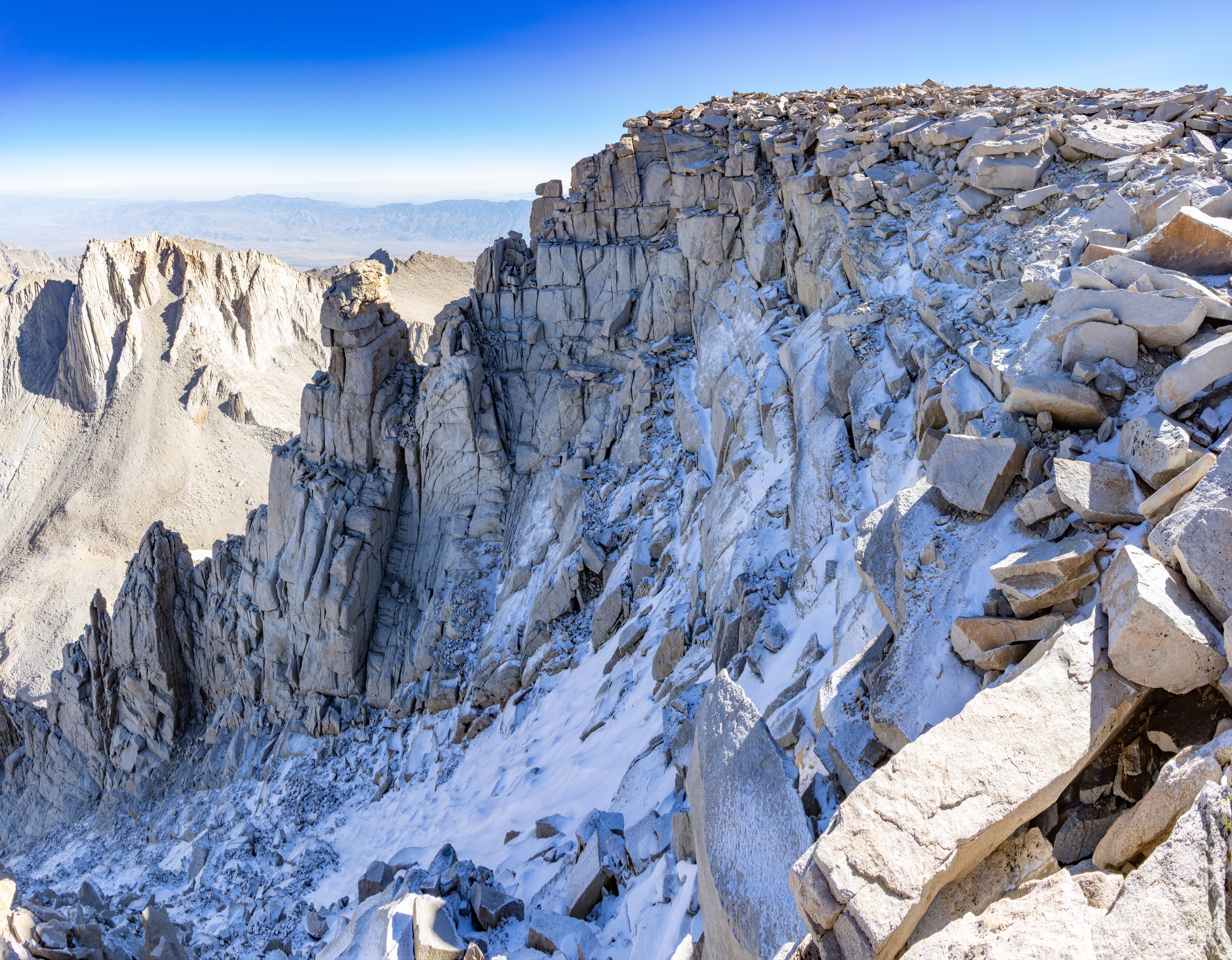
LFCSAFTD down the Final 400. Very little information available and no name can be found.
MITIGATION
Lack of or improper use of ice ax, crampons and helmet in terrain that demands the use of at least one of those, conditions-dependent. This is a hiker-in-mountaineering-terrain event.
MEDIA
Whitney Watson
ANALYSIS
Possible HACE. Died in her sleep after having gone to sleep with a headache. Was previously skiing in Mammoth so was presumably at least somewhat acclimatized. HACE at 10,500 feet would be an outlier event.
MITIGATION
Only possible mitigation here would have been to have identified this as HACE or some sort of AMS, and then to immediately descend.
MEDIA
Lisa Mizushima
ANALYSIS
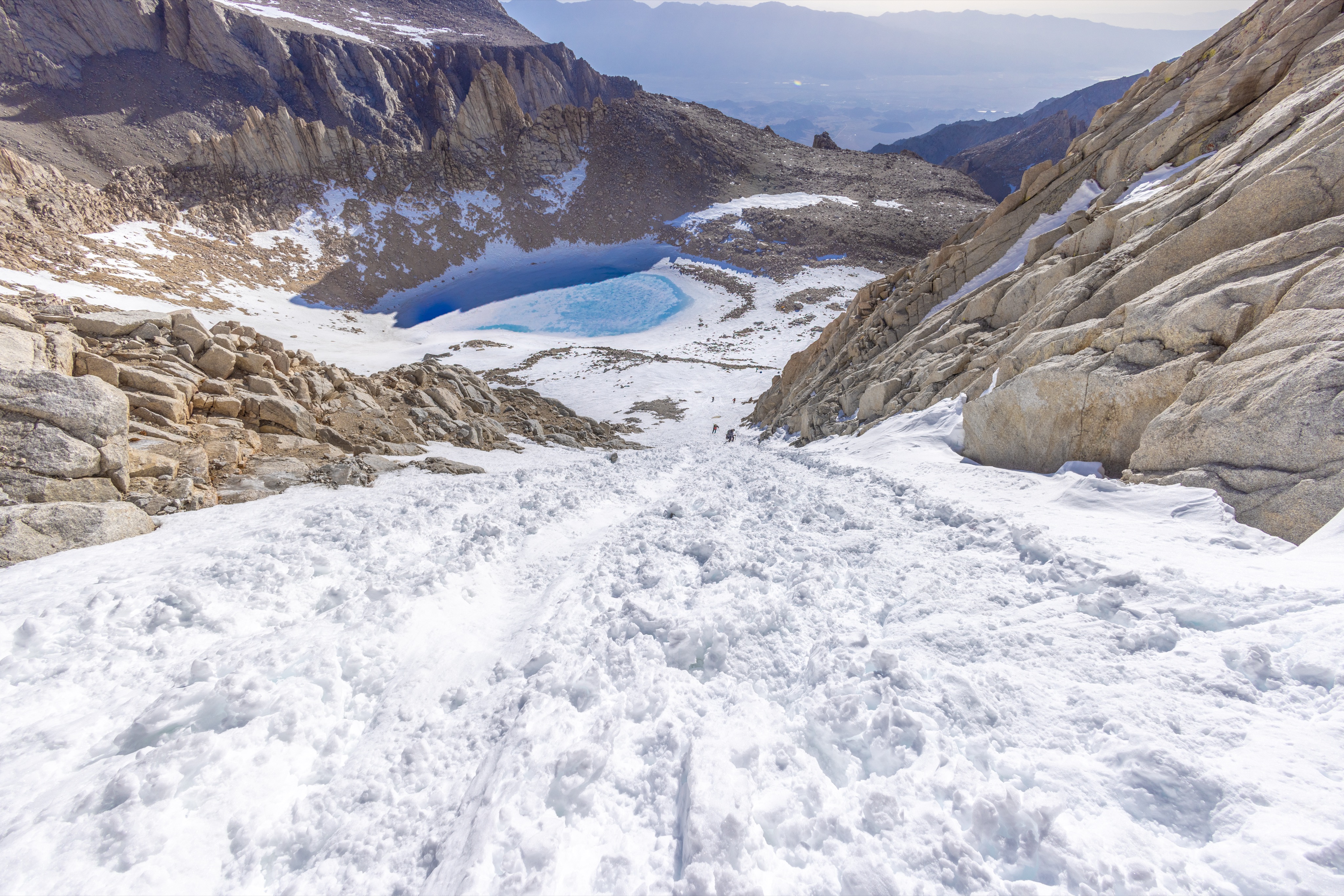
Fell down the couloir between The Notch and Iceberg Lake. Interesting comments from her sister regarding the lack of proper gear and her "YOLO" attitude.
MITIGATION
Incorrect gear. Little relevant experience.
MEDIA
Michael Powell
ANALYSIS
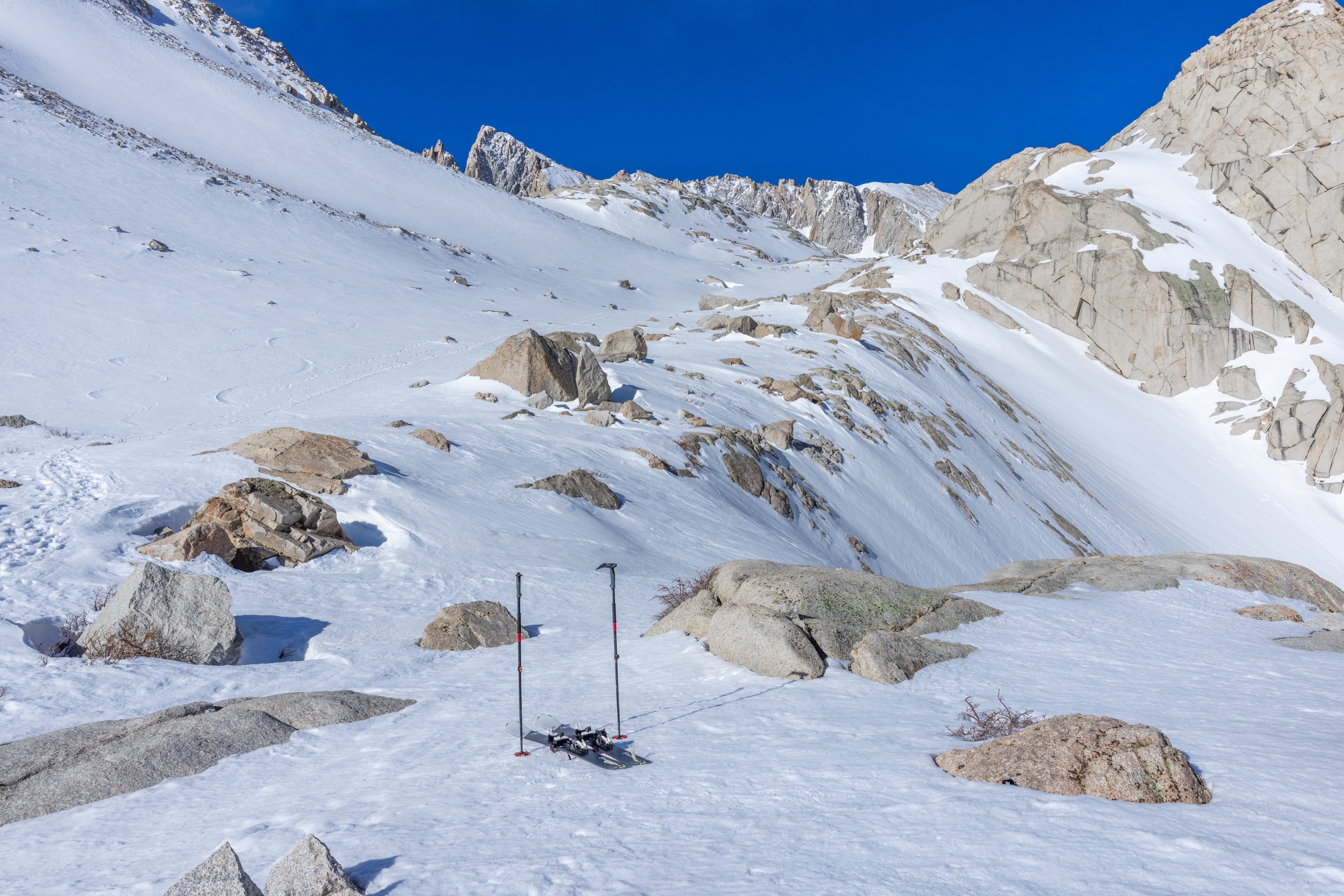
Off-route above Outpost/Mirror at night on ice. They were descending at 02:30 and he likely fell off of the North side of the slab section above Mirror Lake.
MITIGATION
Another incident of people getting off route above Mirror Lake. Failure to study the terrain. Moving way too slowly. There's no reason to be descending at 2:30 AM.
MEDIA
John Lee
ANALYSIS
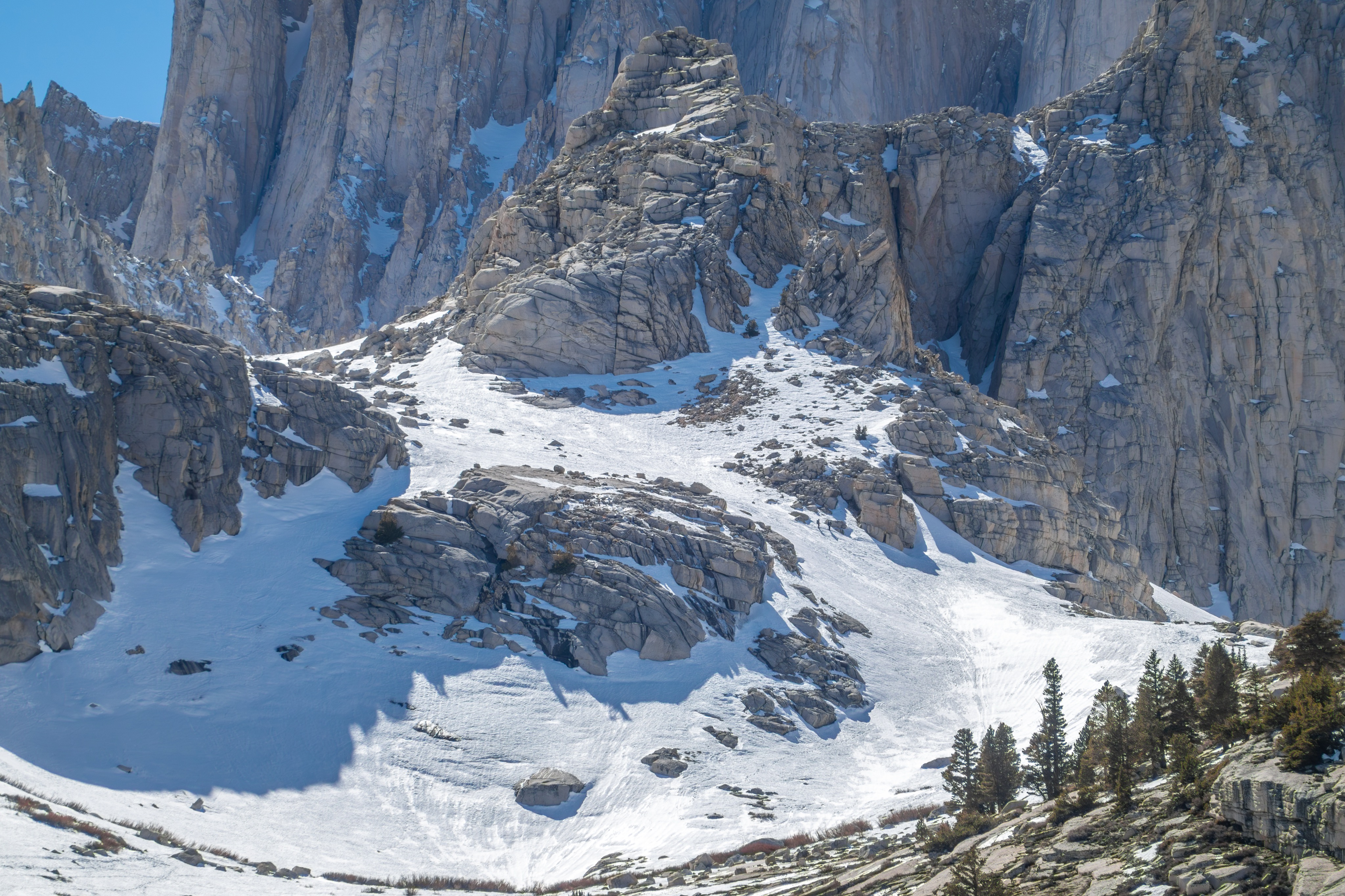
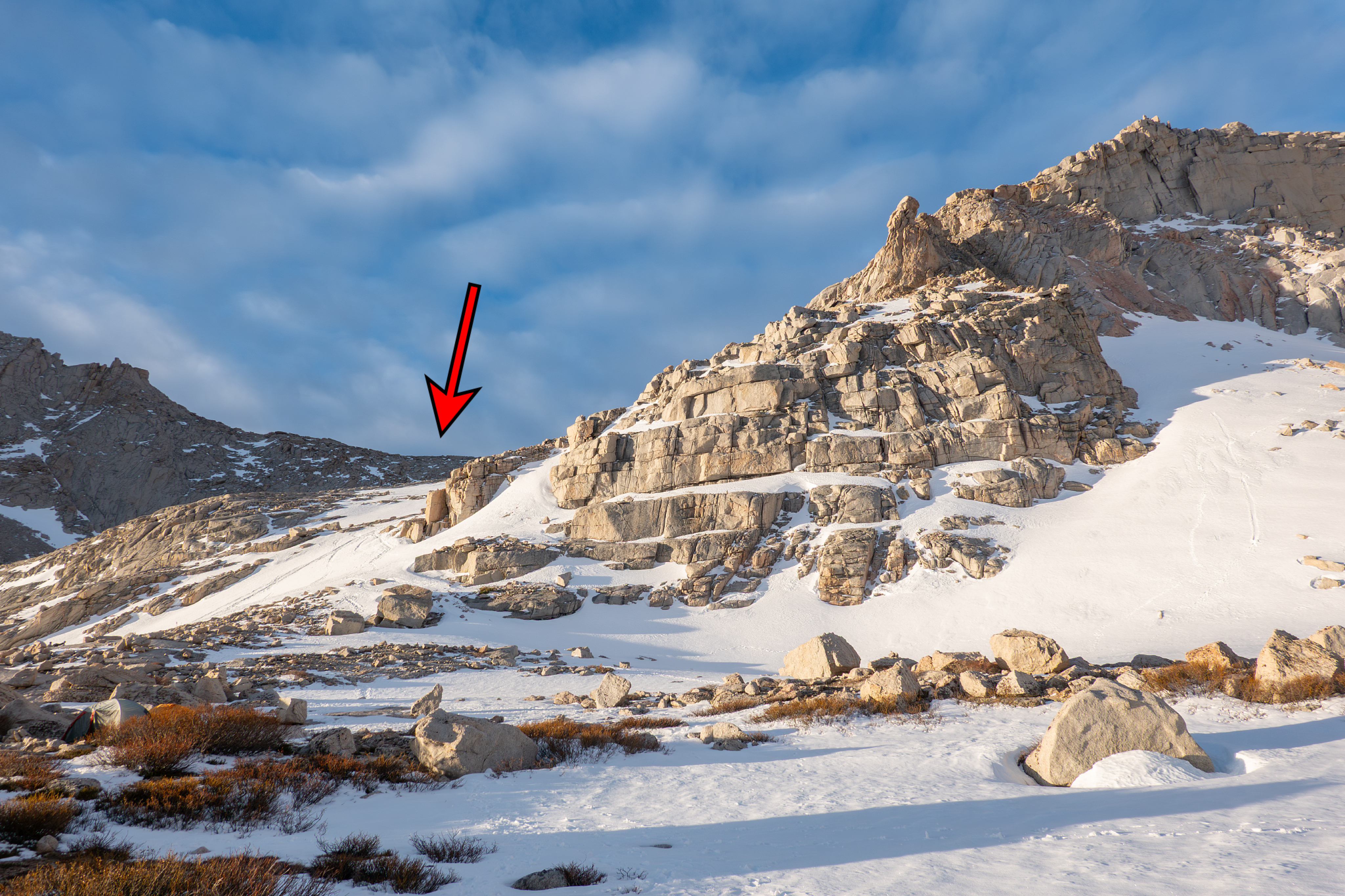
John traversed all the way around to the SouthWest face after having ascended part of the North Face from Whitney-Russell basin. He was attempting to climb the Mountaineers Route and was very off-route. (He likely missed the trail up and out of UBSL and went straight West from UBSL to Sakai Col.)
MITIGATION
Failure to study the route. Failure to turn around. See Rodriguez 2025.
MEDIA
Trevor (age 25)
ANALYSIS
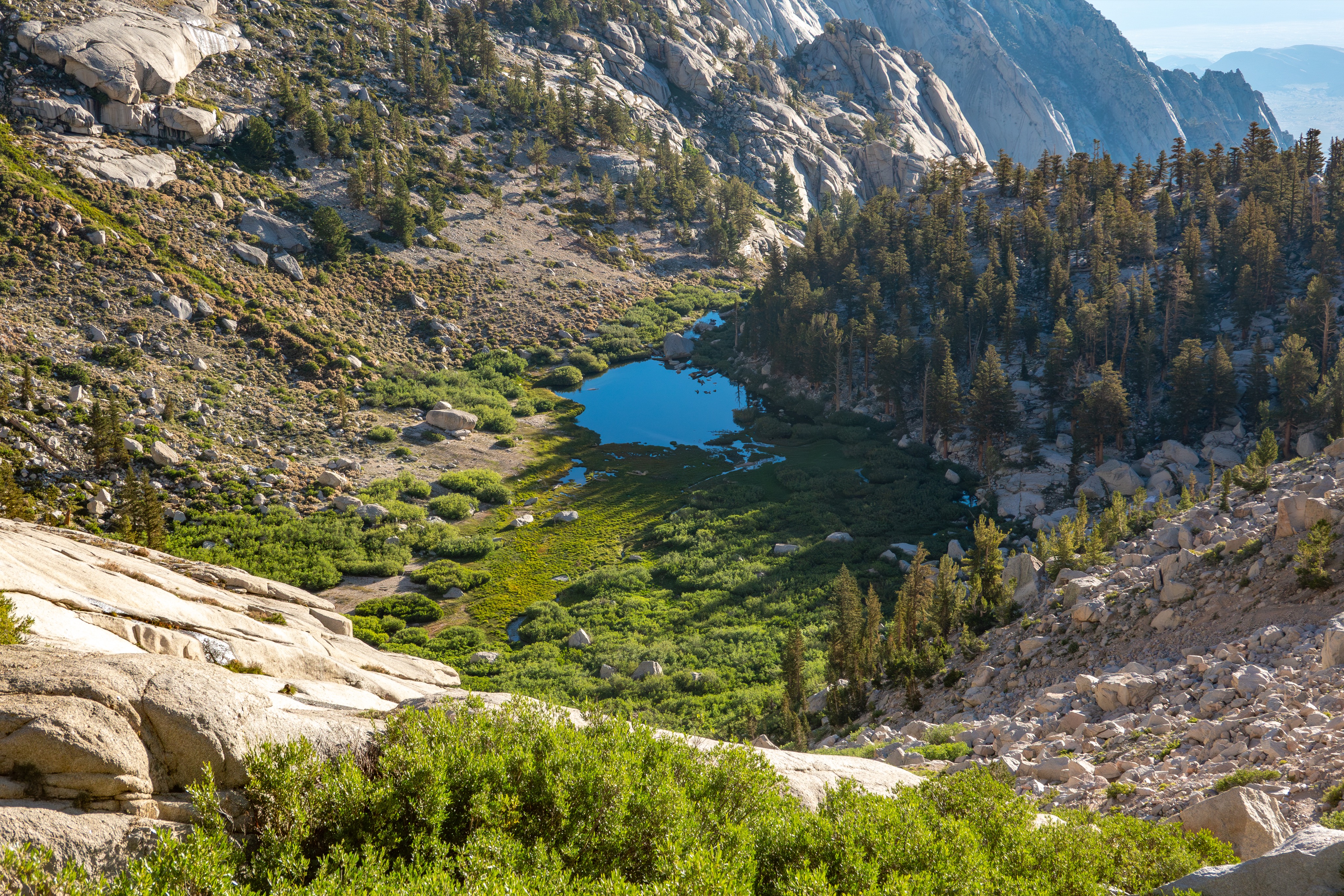
BASE jump (wingsuit) death. Launched from summit, crashed near LBSL, likely into the terrain rise that rings the lake basin. Very little information is available about this incident but he was regular wingsuit flyer.
MITIGATION
Obvious...
MEDIA
None.
Michael Meyers
ANALYSIS
Died of blunt-force trauma in an avalanche on NorthEast slope approach to Mallory/Irvine above Meysan Lake. This one is not directly Whitney related. It's included due to proximity of location and proximity of objective hazard.
MITIGATION
Alone in avalanche terrain during active avalanche conditions.
MEDIA
Jeremy David Foster
ANALYSIS
Unknown
MITIGATION
Unknown
MEDIA
Dawson Johnson
ANALYSIS
LFCSAFTD from The Traverse. Ascending on a day hike from Guitar Lake basin from his campsite near Crabtree Meadow. He was last seen between the trail junction below Trail Crest and the summit. It's unclear why he attempted to use the Traverse.
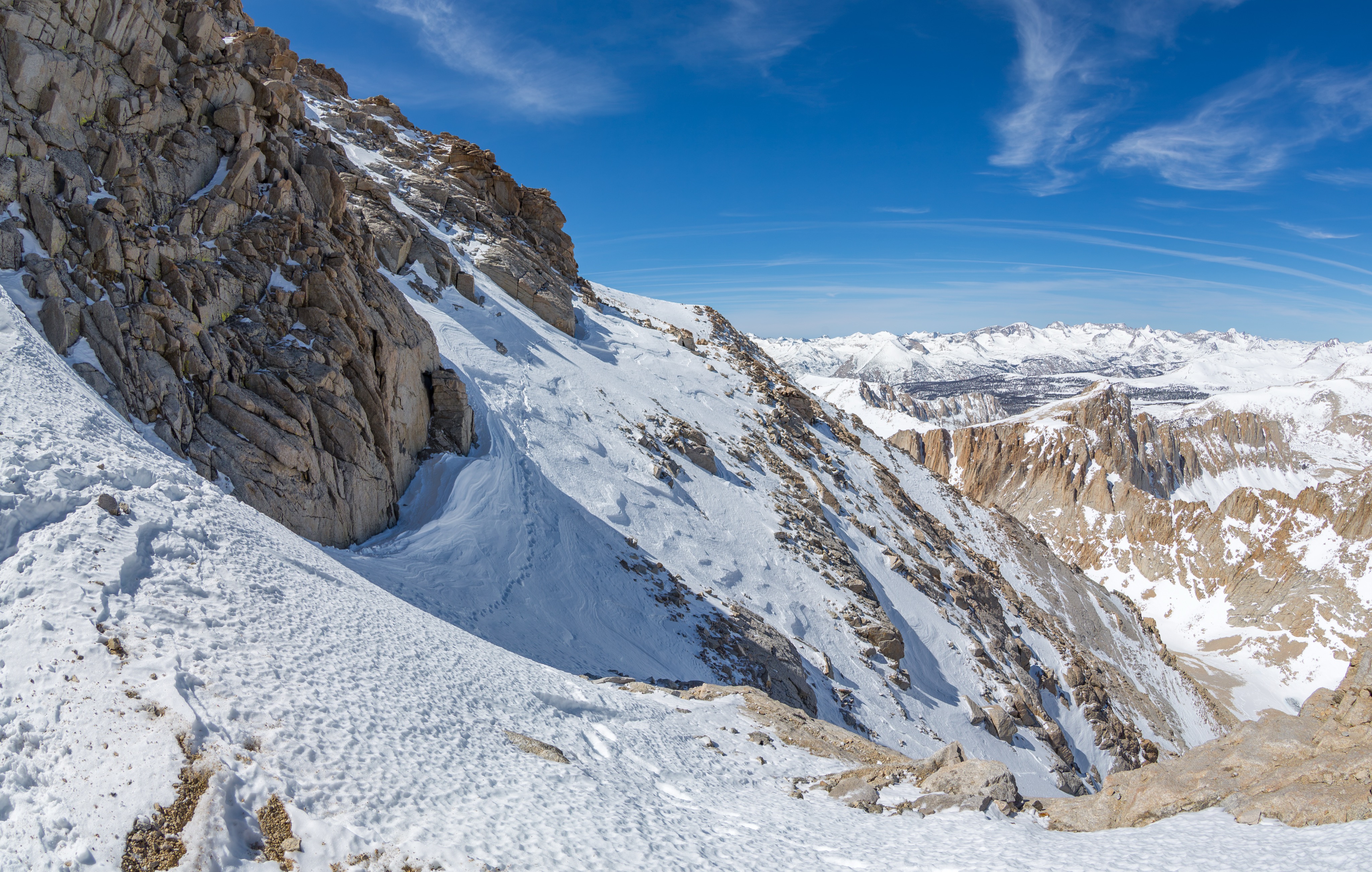
See Unnamed, 2026, Bolan, 2024, Gerbier, 2023, Peñaloza, 2020, Dao, 2019, Juliani, 2018, Ferrari, 2005, Pimm, 2001, Ranger, 1984 and Hamilton, 1968.
MITIGATION
Off route. He ascended from the West side, climbed up the main trail to the Summit, and then for some reason attempted to descend the Mountaineers Route via The Traverse. Failure to study the terrain. Very likely no ice ax or no crampons. HMT.
MEDIA
John Likely
ANALYSIS
Fell into a chute at around 11450 feet after attempting to descend into Mirror Lake Basin from the Main Trail. His friends left him because he was "hiking slow".
MITIGATION
Off route, failure to study the terrain. The members of the party separated.
MEDIA
Unnamed
ANALYSIS
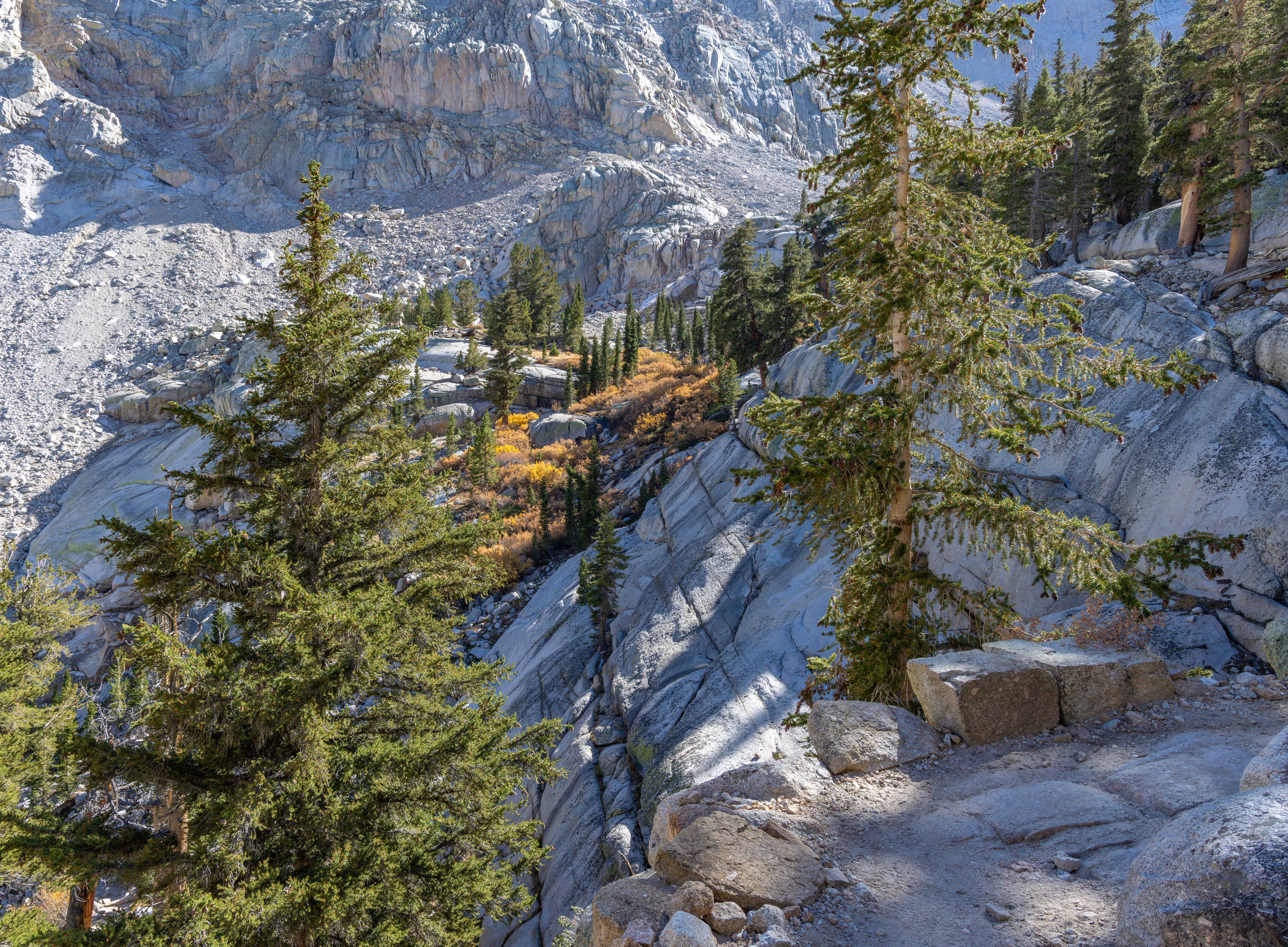
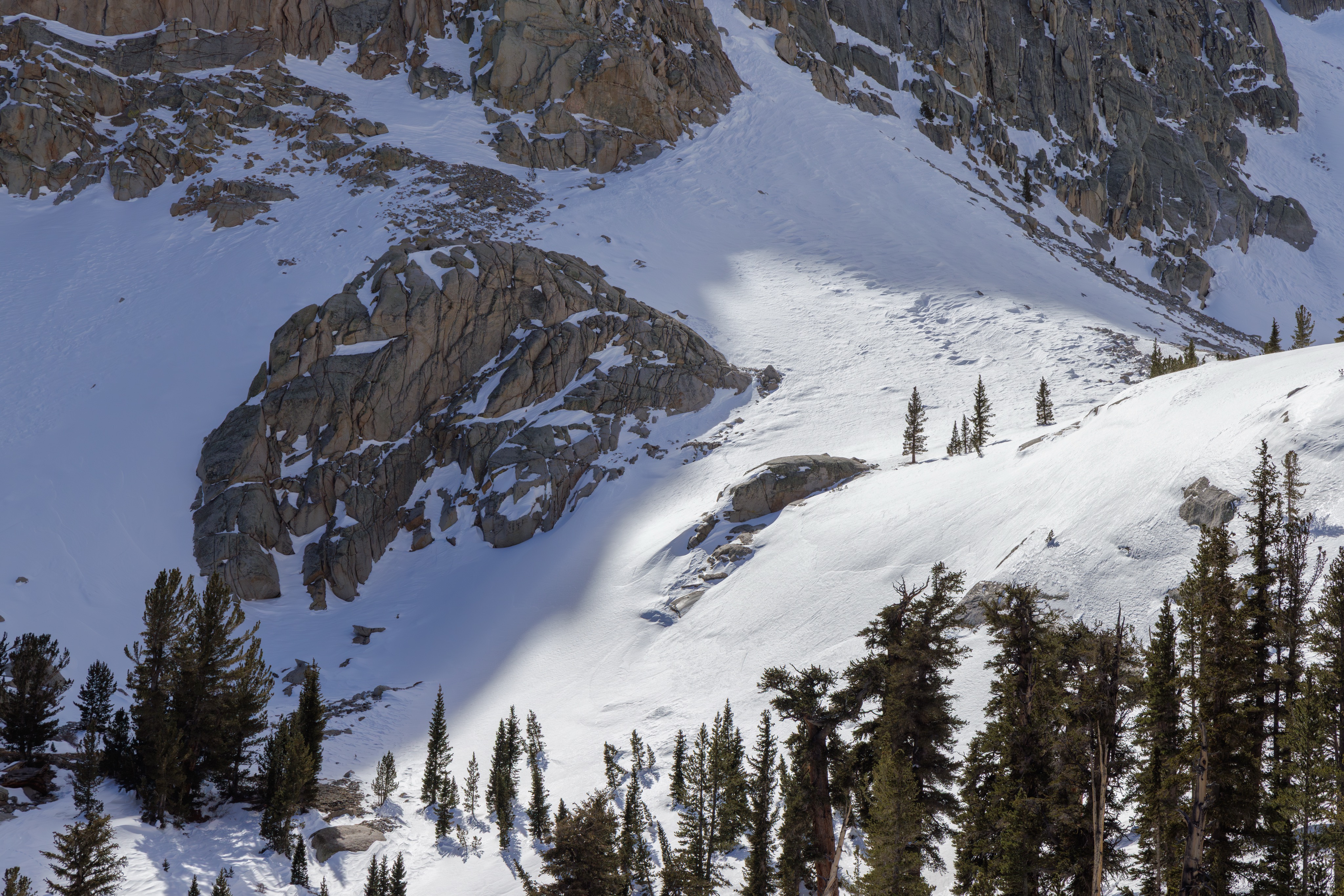
Likely fell from the exposed trail section below Outpost Camp where the switchbacks rise from the "Entering Whitney Zone" sign
MITIGATION
This is the only known fatality caused by a fall from the switchbacks below outpost camp. They were likely icy at the time.
MEDIA
Petr Bursik
ANALYSIS
Petr and his partner climbed in a snow storm, got caught out in bad weather and sheltered in an exposed area. Some form of AMS may have played a role but he likely froze to death.
MITIGATION
Another weather related mitigation issue. Use the proper weather forecasting platforms and pull the proper weather models for your area. Climbing in inclement weather for day trips or overnighters is easily avoidable with modern weather forecasting systems. There's no reason to get caught out in storms unless you're on a multiweek expedition. Use reliable weather forecasting systems sourcing high-resolution, local models (HRRR, PEAKs, UKV, RRFS, AROME-HD, MeteoBlue, etc...) Low and medium resolution models (GFS, ECMWF) are not reliable in mountainous terrain.
MEDIA
Christian Meining
ANALYSIS
Likely a fall from the E-Ledges. There's not a lot of supporting information to be found regarding this incident. Christian was likley off-route to have fallen 200 vertical feet from the E-Ledges.
MITIGATION
People tend to get off route in this section pretty frequently. Sometimes they take the wrong way up, thinking they're on the Ledges when they are not. This might be a route finding error. Or it might be inability to scramble exposed third class terrain confidently.
MEDIA
Yukio Kato
ANALYSIS
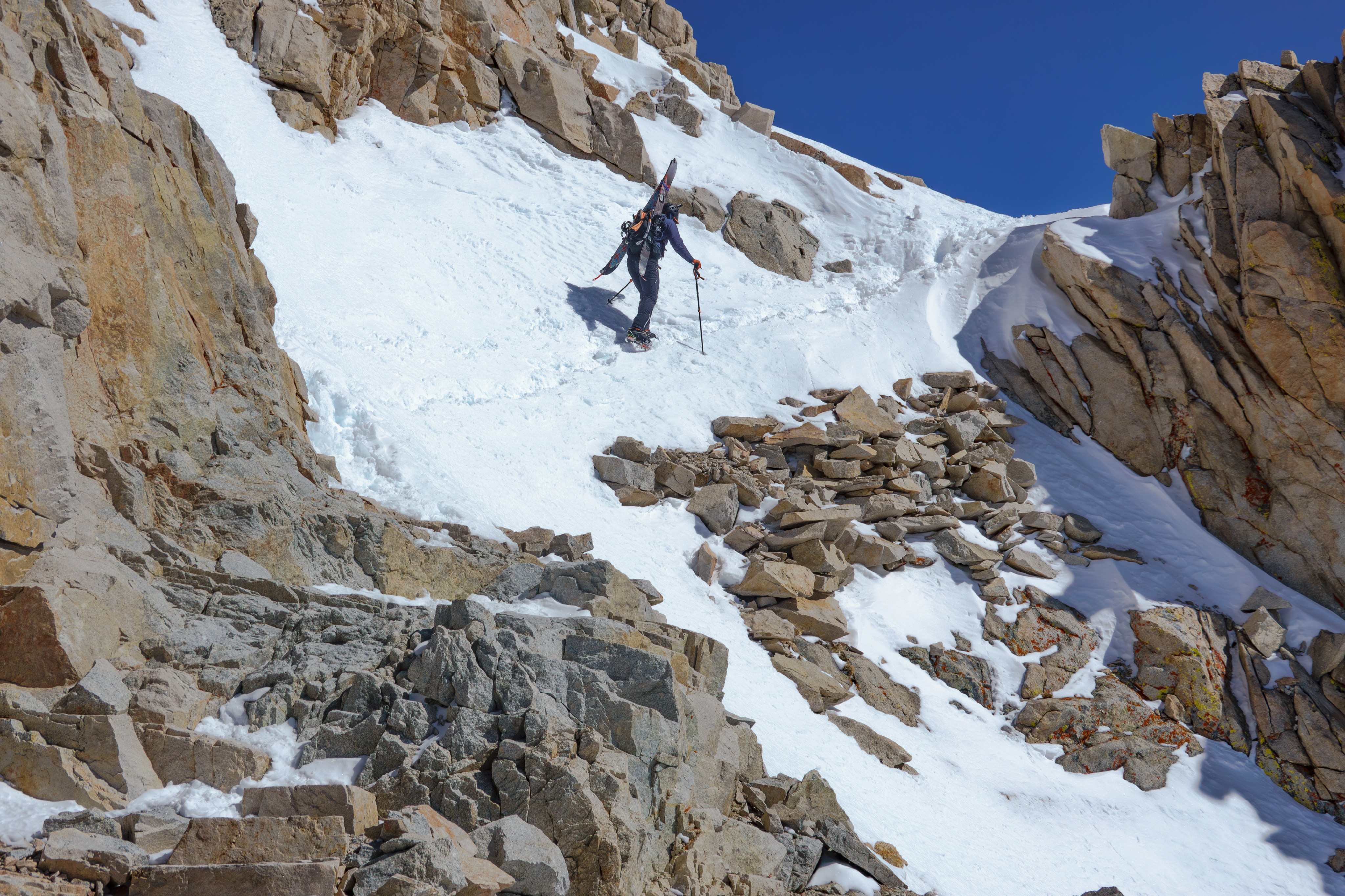
AMS, possibly HACE. Ataxia. Fell from trail between Trail Crest and Summit. It had hailed for 20 minutes; the trail was likely slick and he was probably just worked over and overwhelmed.
MITIGATION
Another case of slipping in snowy/icy conditions on the Main Trail down the West aspect.
MEDIA
Unnamed
ANALYSIS
Very little information about this one. It appears to be natural causes (myocardial infarction) a mile out from the trailhead on the Whitney Main Trail.
MITIGATION
No reasonable mitigation.
See June 29, 2025.
MEDIA
Allyson Kumataka
ANALYSIS
This was a case of death by natural causes, possibly myocardial infarction. Details are sparse about where she was found, but it was on the Main Trail.
MITIGATION
No reasonable mitigation.
See June 29, 2025.
MEDIA
Kenneth Brunett
ANALYSIS
Fall on snow. Article is vague and the comments on the article don't help. Last known photo of him appeared to be between Trail Crest and the Summit.
MITIGATION
Apparently got lost and disoriented and mistook one of the Windows for Trail Crest. And took a long fall...
MEDIA
Keum Kim
ANALYSIS
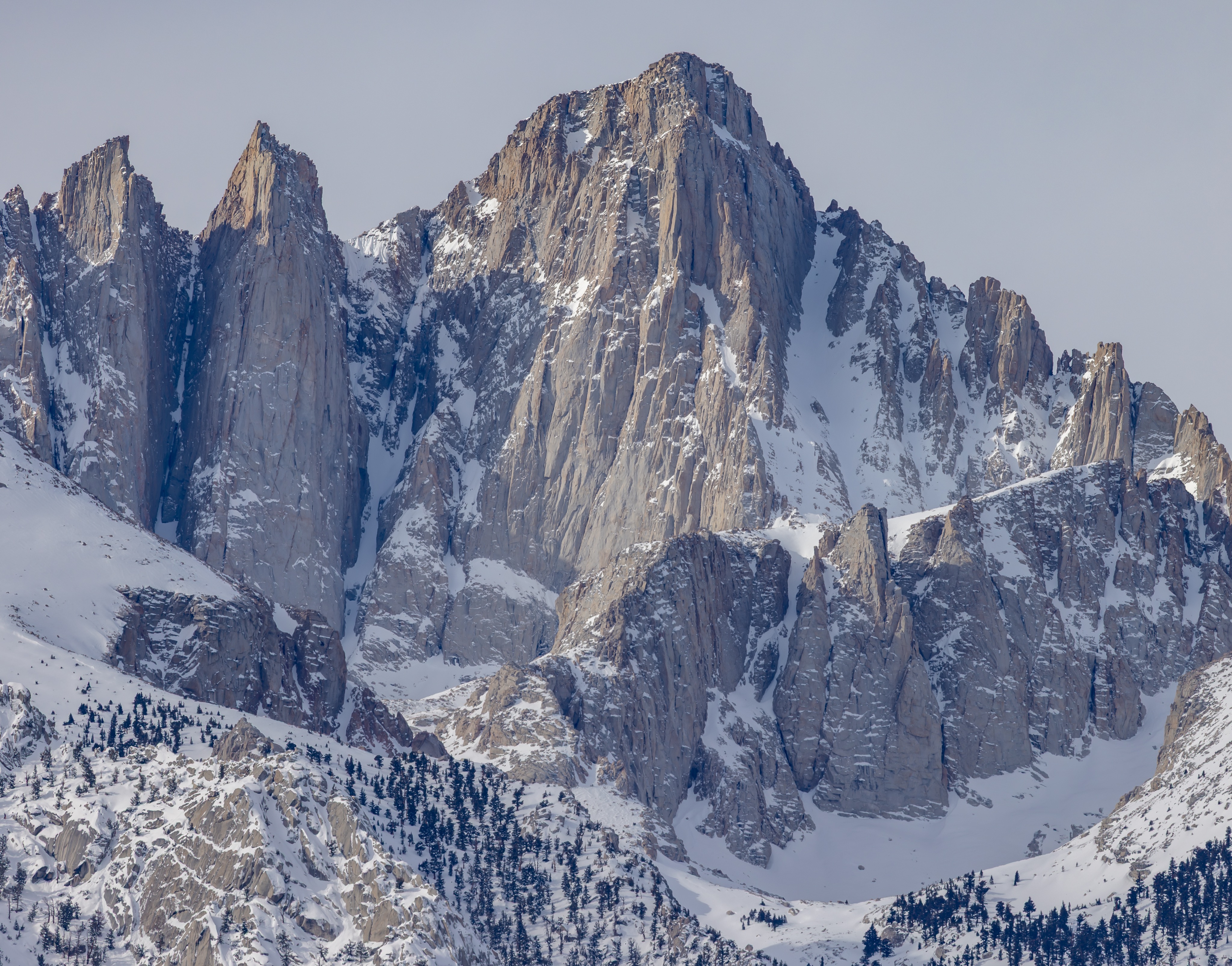
Fell down the couloir between The Notch and Iceberg Lake. Totally bizarre story. Stayed on the summit to watch the sunset. Didn't have headlamps. Apparently fell in the couloir between The Notch and Iceberg Lake while descending at 21:00.
MITIGATION
A case of inappropriate motivating factors. It's one thing to want to watch a sunset, it's another thing to watch a sunset from the top of a 14,500 foot mountain, knowing that you have to descend ice later, in the dark, long after a refreeze, without the gear required to do so safely.
See Larkin.
MEDIA
Kent Ashcraft
ANALYSIS
Fell in a chute on Thor's East face. Weird route. No helmet and a head impact. Kent was a regular on the Whitney Forum and posted there a lot.
MITIGATION
Wear a helmet for rockfall zone hazards and fall hazards.
MEDIA
Unnamed (age 16)
ANALYSIS
16 year old who slipped and fell near the Portal Waterfall. While this isn't a climbing accident, it's worth noting for its obvious hazard mitigation.
MITIGATION
Obvious mitigation here. This is basic awareness.
MEDIA
Neil Halliday
ANALYSIS
Myocardial infarction. CPR was maintained for 2.5 hours by both family members and rangers while InyoSAR approached with a wheeled stretcher.
MITIGATION
No reasonable mitigation.
See June 29, 2025.
MEDIA
Stephen Tom
ANALYSIS
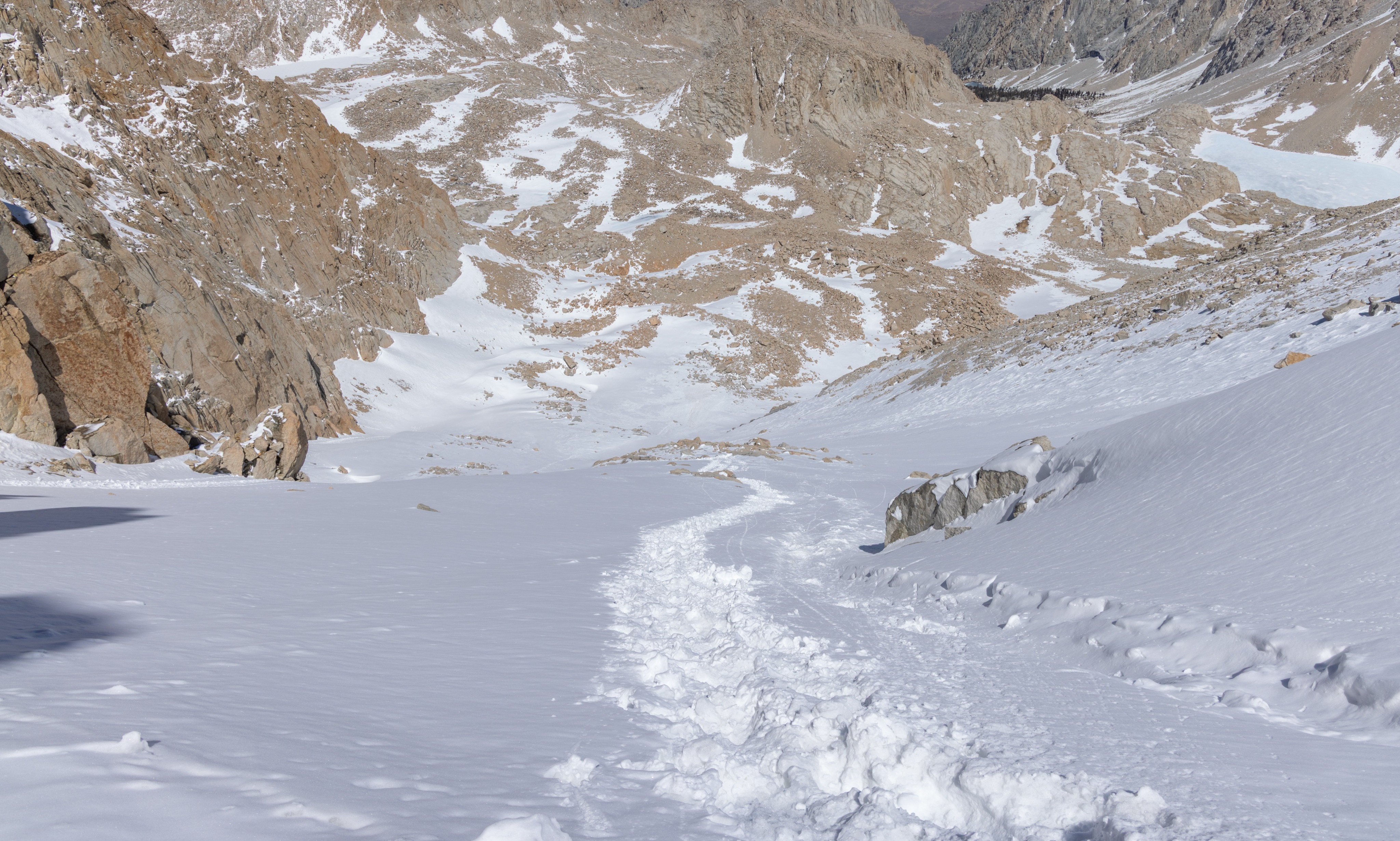
LFCSAFTD from the slope to the right of the 99 Switchbacks. Interesting article. Lithobraking. No ax. No helmet. Stephen attempted to arrest with a trek pole after losing control of a glissade. The article mentions many other incidents that occurred on the same day.
MITIGATION
A hiker-in-mountaineering-terrain event. Non-familiarity with alpine hazards and mitigation techniques. Unable to self-arrest. Incorrect gear for the terrain and conditions.
See How to Glissade.
See Ice Ax Usage.
See Crampons.
MEDIA
Patrick Wang
ANALYSIS
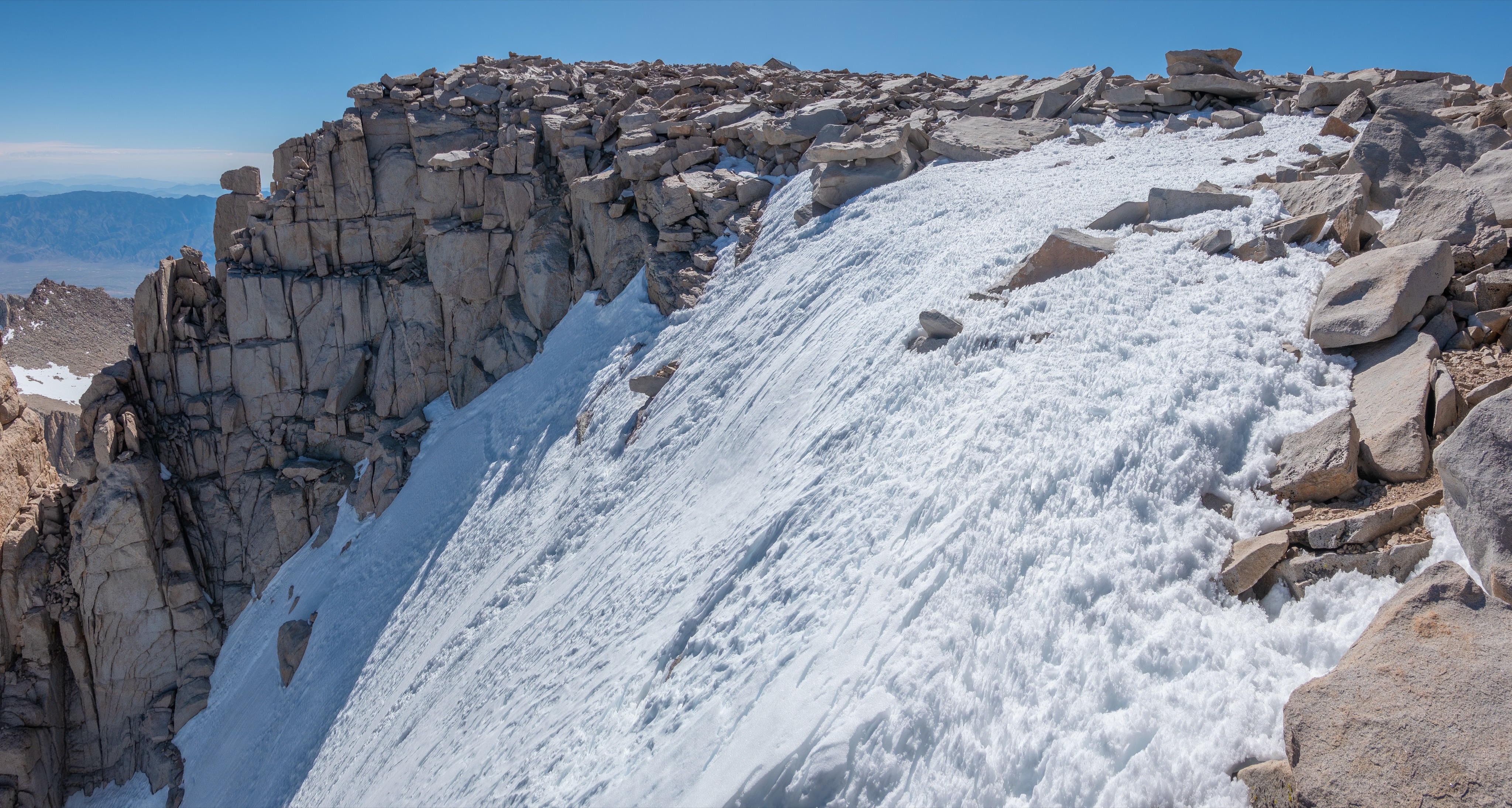
Tried to glissade from the top of the Final 400. There was fresh snow on the route as it had snowed a few days prior. His partner had attempted a glissade, slipped and managed to arrest, then decided to down-climb the remainder of the Final 400 to The Notch.
MITIGATION
Bad hazard mitigation identification and management. The Final 400 is not glissading terrain. It's extremely exposed and failures to self-arrest here lead to unsurvivable falls down the North Face of Mount Whitney. This may have been a Social Proof Heuristic failure. Wang saw his partner successfully arrest out of a glissade and reasoned that he could too. Snow surface conditions in North-facing couloirs at 14,500 are variable to put it mildly...
MEDIA
American Alpine Club Accidents in North American Mountaineering
Richard Ferrari
ANALYSIS
LFCSAFTD. Likely fell from the Traverse, though he may have fallen from the Final 400. Early season and solo. Unclear as to gear or lack thereof.
See Unnamed, 2026, Bolan, 2024, Gerbier, 2023, Peñaloza, 2020, Dao, 2019, Juliani, 2018, Johnson, 2014, Pimm, 2001, Ranger, 1984 and Hamilton, 1968.
MITIGATION
Don't take the traverse. Use an ax, use crampons on mountaineering boots and wear a helmet. A hiker-in-mountaineering-terrain event.
MEDIA
Bob Larkin
ANALYSIS
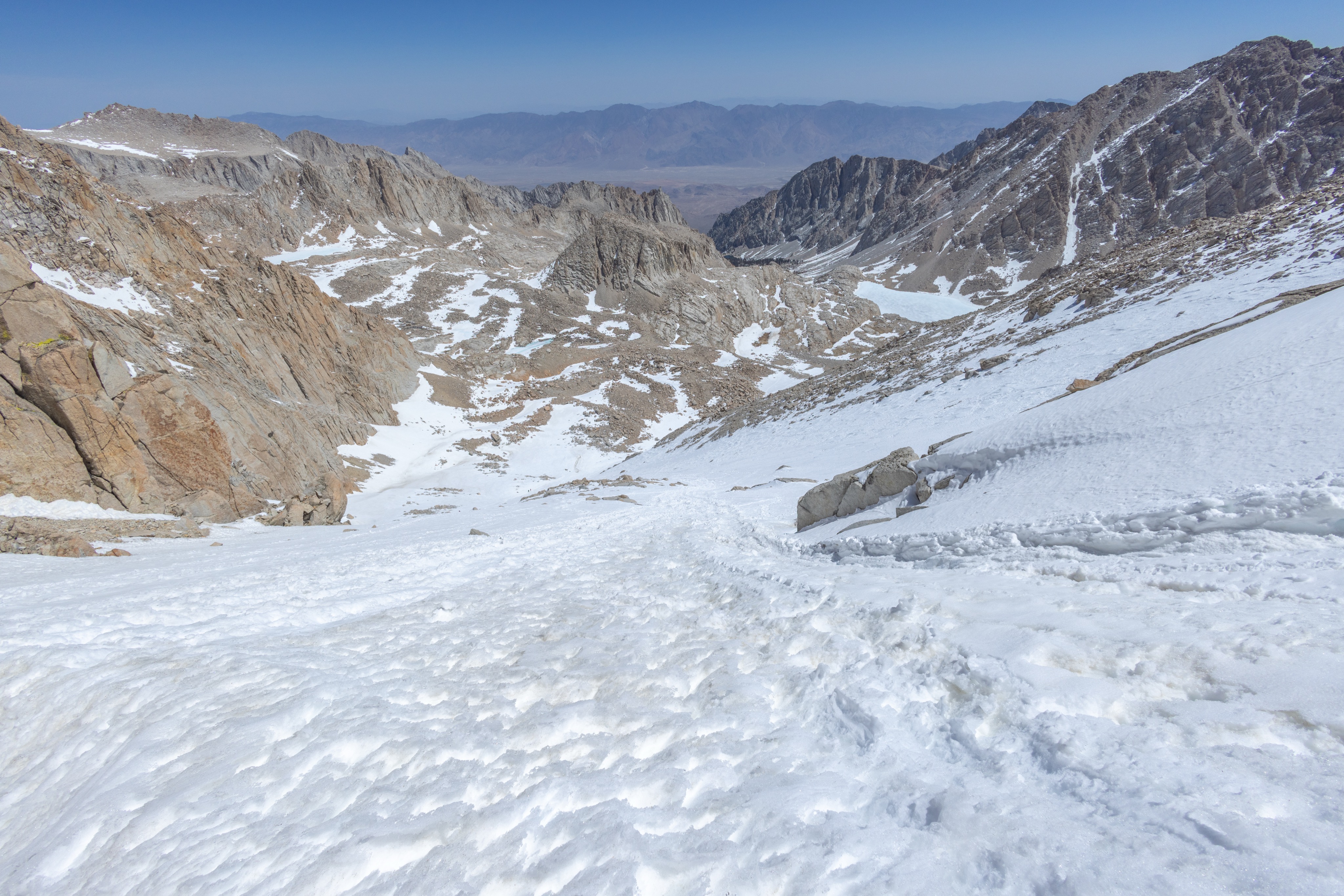
LFCSAFTD from the slope to the right of the 99 Switchbacks. They left the summit at 17:00. They had no headlamps. The slope had of course refrozen by the time they arrived back at Trail Crest. Party members could not find him in the dark. (no headlamps...)
MITIGATION
Improper gear. Improper timing management. Improper terrain management. Failure to realize that the slope to climber's right of the 99 Switchbacks will refreeze earlier than expected due to terrain occluision. Failure to understand how to self arrest. A hiker-in-mountaineering-terrain event. Not having headlamps delayed the search. Had they been using headlamps, they may have found him in time to save his life.
Tools are available to (very) accurately calculate terrain shading and sun exposure based on on time of day and day-of-year. Coupled with lapse-rate calculations, it's easy to determine when snow-slopes on given aspect will thaw/refreeze. Tracking the diurnal melt-freeze cycle is a crucial component in accurate logistics planning for endeavors in alpine terrain.
MEDIA
Andrew Pimm
ANALYSIS
LFCSAFTD from The Traverse. Was found at an elevation of 13020 feet in Arctic Lake Basin. He was a solo hiker. Unclear what equipment or lack thereof he had.
See Unnamed, 2026, Bolan, 2024, Gerbier, 2023, Peñaloza, 2020, Dao, 2019, Juliani, 2018, Johnson, 2014, Ferrari, 2005, Ranger, 1984 and Hamilton, 1968.
MITIGATION
Don't take the traverse. Use an ax, use crampons on mountaineering boots and wear a helmet. A hiker-in-mountaineering-terrain event.
MEDIA
Mike Norton
ANALYSIS
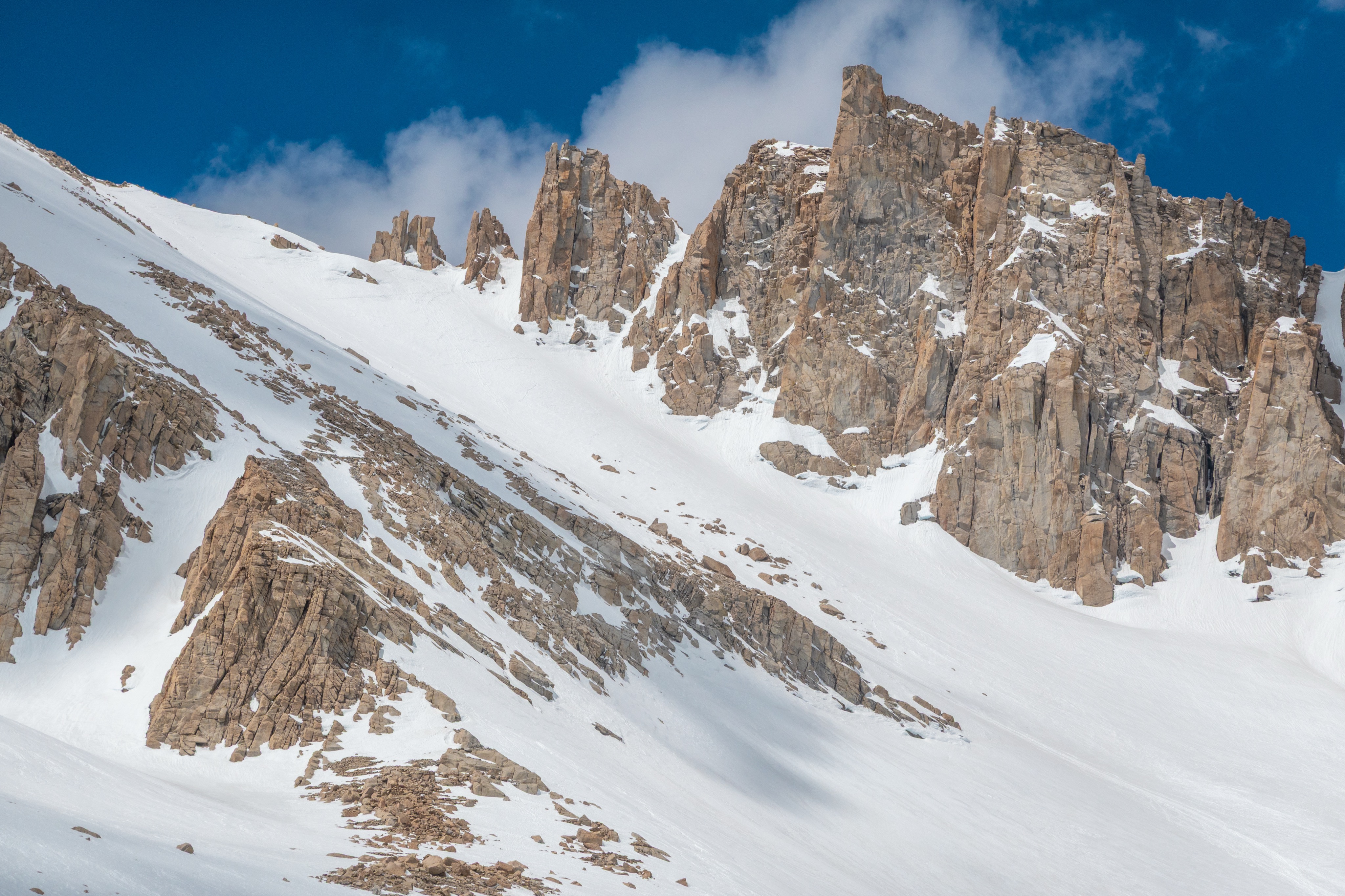
LFCSAFTD. Fell while either ascending or descending the slope to climber's right of the 99 Switchbacks. He was wearing shorts and a t-shirt (See Bournes 1978). He suffered an open compound fracture of the tib/fib and a skull fracture.
MITIGATION
The slope to climbers right of the Switchbacks in Winter-like conditions or shoulder season is classic mountaineering territory. "Classic" meaning ax, crampons on mountaineering boots and a helmet. Attempting and completing this portion of the climb without that gear is indeed possible, but for people without a good frame of reference regarding alpine hazard mitigation (hikers), it can be deadly. This is a hiker-in-mountaineering-terrain event.
MEDIA
Jeffrey Alex Wingo
ANALYSIS
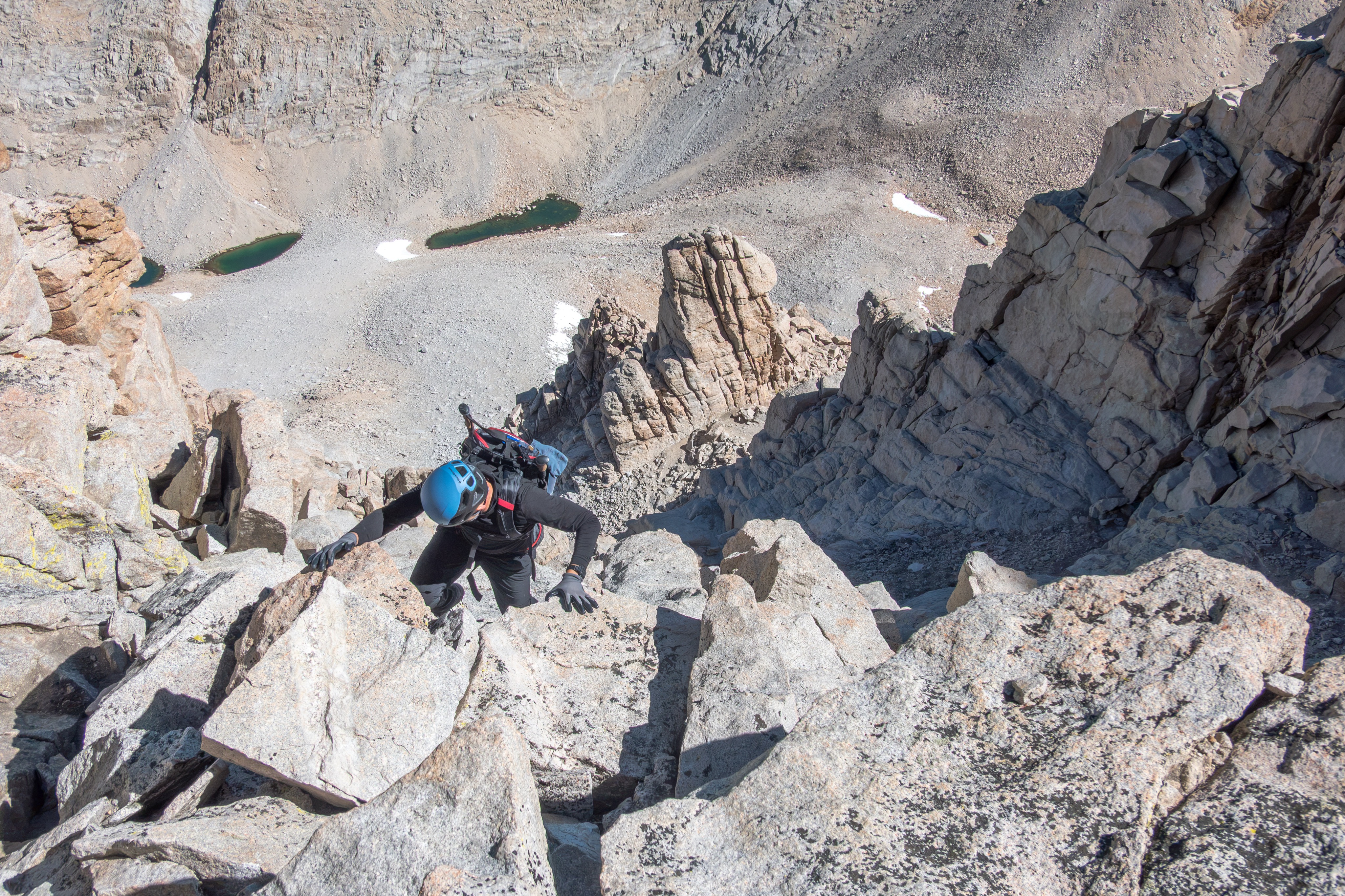
LFCSAFTD. Likely fell from the Final 400. Details are unclear but his body was found on the North Face of Mount Whitney at around 13,200. It's possible that he fell approximately 800 vertical feet on dry rock.
MITIGATION
It's unclear what happened here. In August, the Final 400 is typically bone dry.
See Huang
MEDIA
Double fatality of Reeves Magi and Douglas Siegfried
ANALYSIS
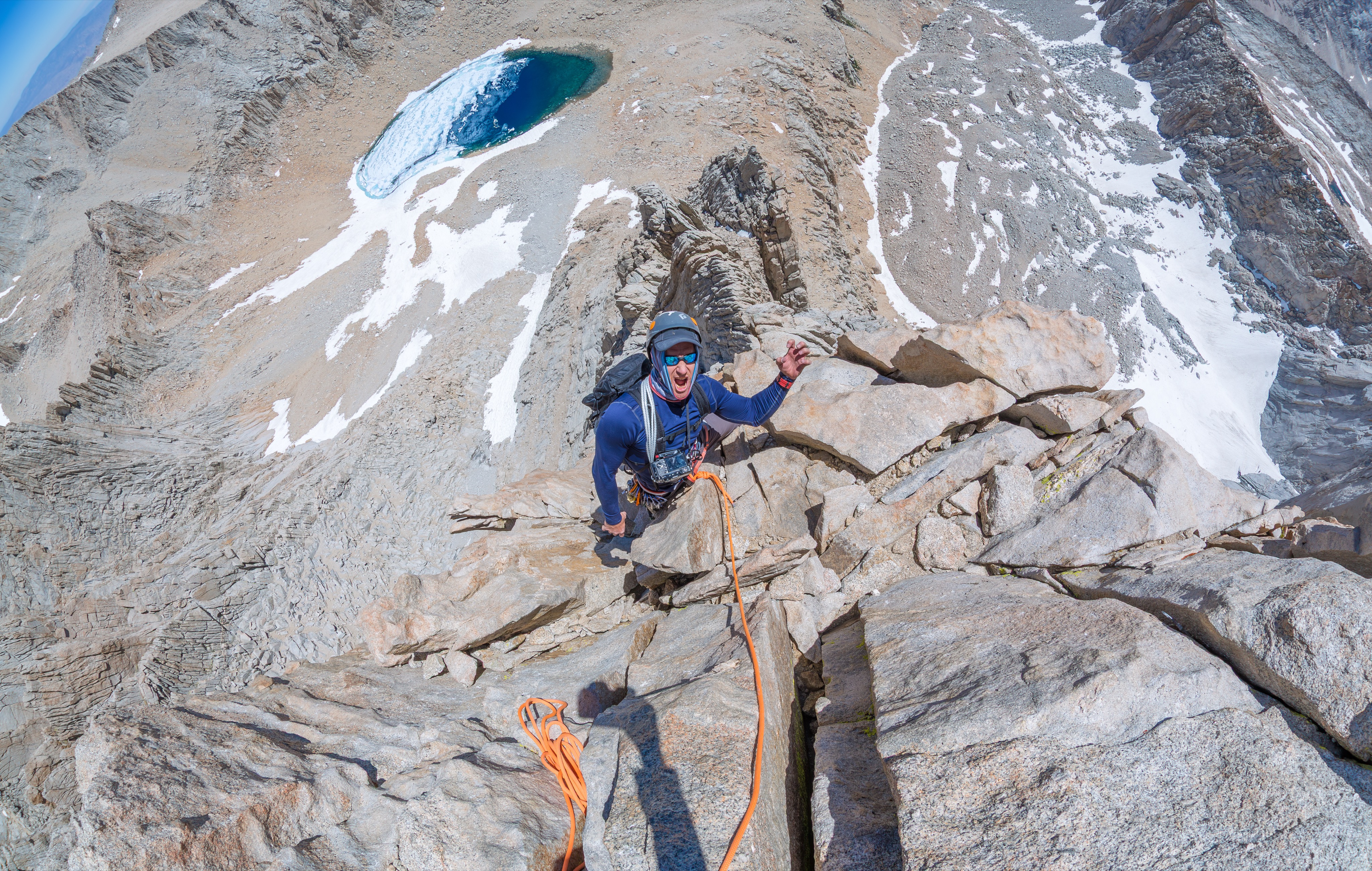
Reeves died of exposure at the top of the third pitch of the East Buttress route in inclement weather. Douglas fell to his death in the Iceberg Couloir. They requested help at 1600 and help didn't arrive until the following morning. Douglas's fall was actually witnessed by SAR.
MITIGATION
Another weather related mitigation issue. Use the proper weather forecasting platforms and pull the proper weather models for your area. Climbing in inclement weather for day trips or overnighters is easily avoidable with modern weather forecasting systems. There's no reason to get caught out in storms unless you're on a multiweek expedition. Use reliable weather forecasting systems sourcing high-resolution, local models (HRRR, PEAKs, UKV, RRFS, AROME-HD, MeteoBlue, etc...) Low and medium resolution models (GFS, ECMWF) are not reliable in mountainous terrain.
MEDIA
American Alpine Club, Accidents In North American Mountaineering
Matthew Nordbrock
ANALYSIS
Struck by lightning on the summit of Mount Whitney.
13 People crowded into the summit hut during a storm.
Special note: This person had been struck by lighting before, 10 years ago.
MITIGATION
Another case of failing to properly forecast the weather. This may have been a case of afternoon convective and orographic uplift. But again, this is common knowledge, or should be, if you're going into high alpine terrain.
MEDIA
Lewis Morris (age 31)
ANALYSIS
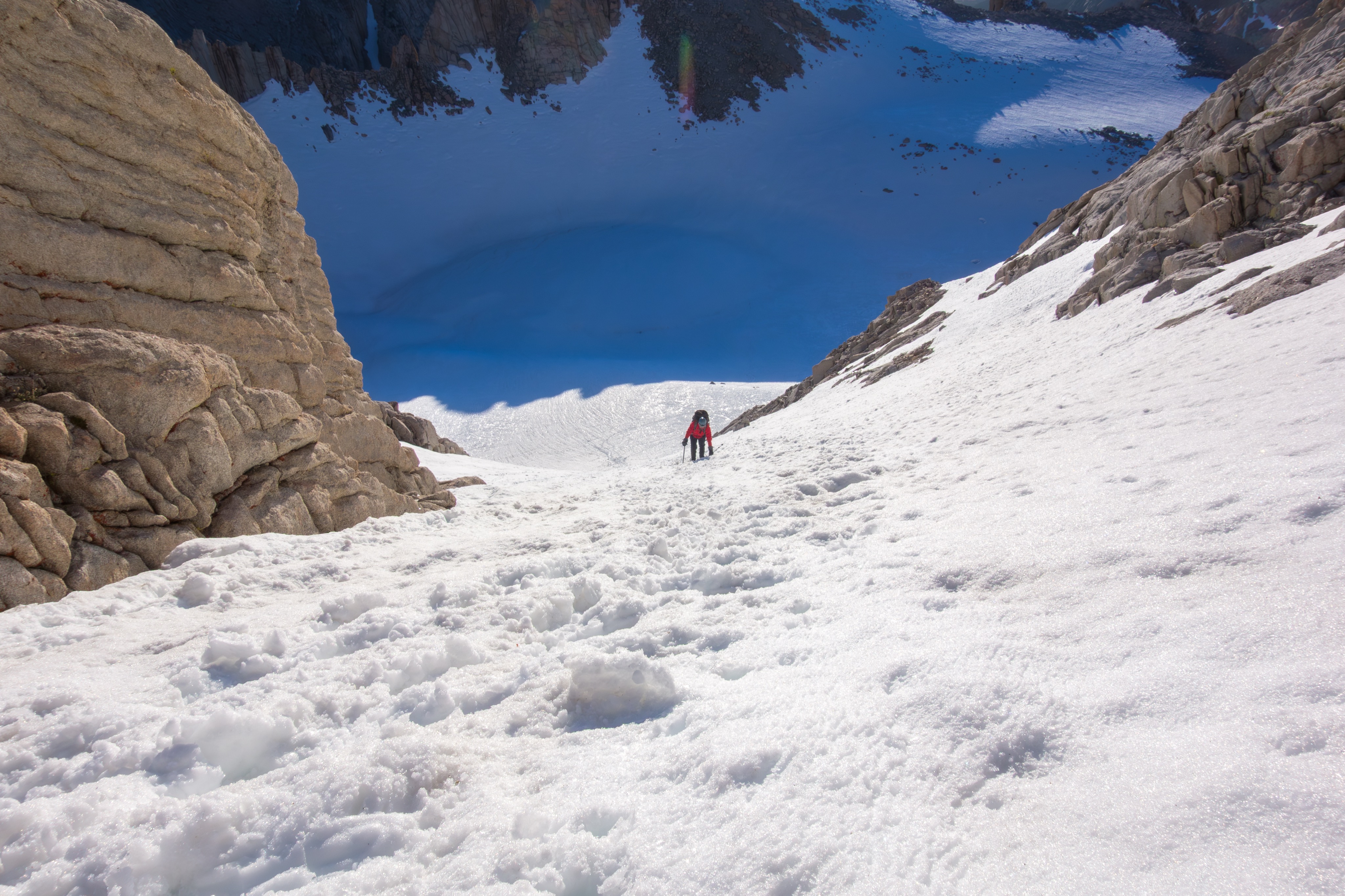
LFCSAFTD in the Iceberg Couloir. Lithobraking. No ax. No crampons. Lewis fell in the couloir between The Notch and Iceberg Lake. He fell from an elevation of about 13750 feet and tumbled 1100 vertical feet to the end of the couloir. This was a party of three multipitch trad climbers who had just completed an ascent of the East Face and were on their descent towards Iceberg Lake. They were not carrying the gear they needed to safely negotiate a 35º snow slope at 13,000 feet in alpine terrain (ice ax, crampons on mountaineering boots and a helmet). Lewis lost footing, then had no recourse against the fall that killed him.
MITIGATION
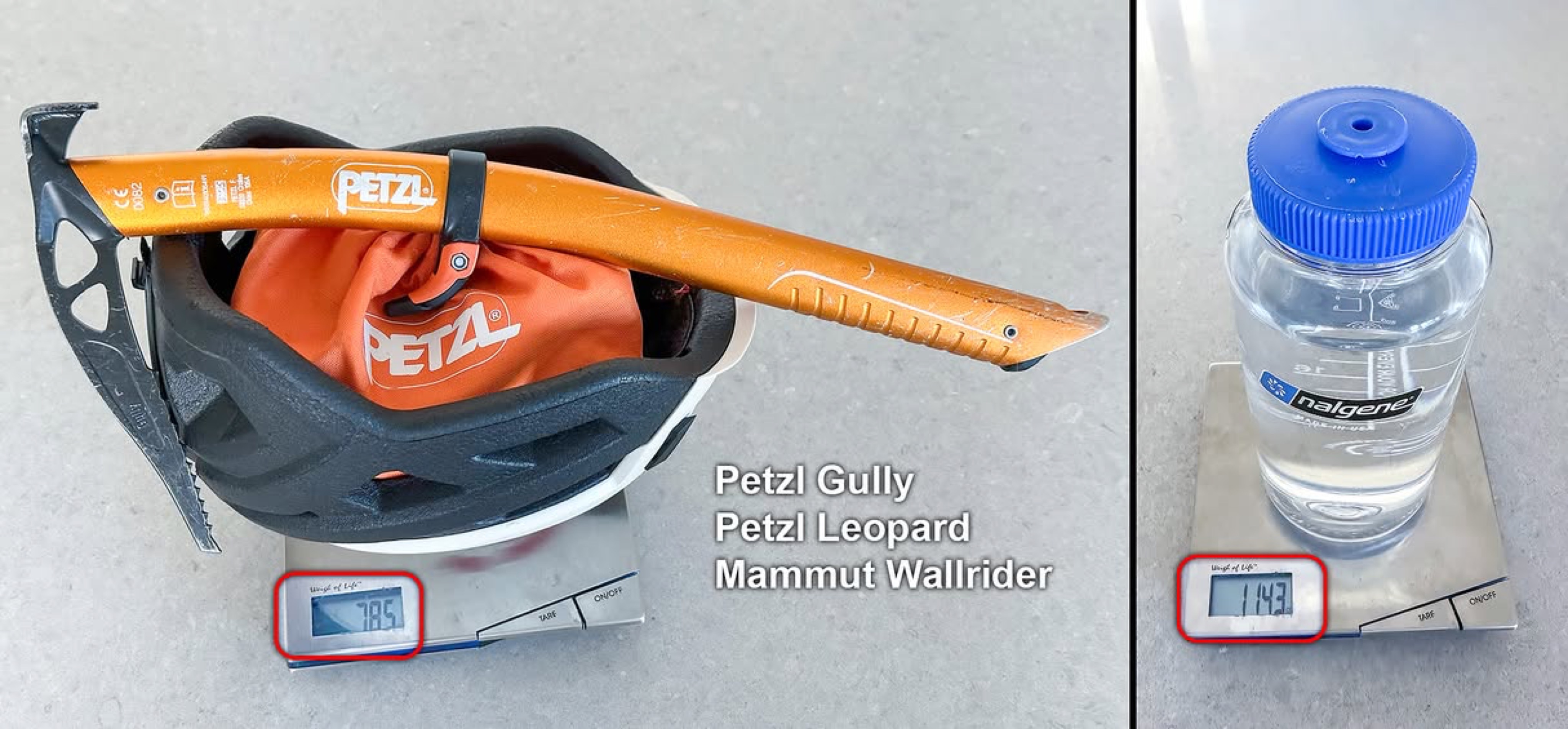
Trad climbers not carrying the proper gear for alpine travel. Morris fell about half the length of the entire couloir. Had he been properly equipped, this incident would not have occurred. It's not uncommon for trad climbers to decline to carry mountaineering gear. But there's little reason not to anymore. A modern ax, a pair of lightweight crampons and the helmet that is already being carried all weigh significantly less than a liter of water...
MEDIA
American Alpine Club Accidents In North American Mountaineering
Ray Ranger (age 29)
ANALYSIS
LFCSAFTD from The Traverse. No crampons or ax. Ray was a member of Mammoth SAR on a long ski-mountaineering trip from the Mammoth Lakes area with two other SAR team members. When they arrived at Mount Whitney area near Iceberg Lake, likely via the same drainage basin route (Arctic Lakes) where his body was eventually found, he decided to solo the Mountaineers Route while his partners descended and head back to the Mammoth Lakes area. He summited, then attempted to take an "easier gully system to the West of the Final 400" (The Traverse), and ultimately lost footing (no crampons), had no recourse against a fall (no ax) and fell approximately 2000 feet down the North Face of Mount Whitney, eventually coming to rest in the Arctic Lakes Basin area between Mount Whitney and Mount Russell.
See Unnamed, 2026, Bolan, 2024, Gerbier, 2023, Peñaloza, 2020, Dao, 2019, Juliani, 2018, Johnson, 2014, Ferrari, 2005, Pimm, 2001 and Hamilton, 1968.
MITIGATION
Obvious mitigation here. The Traverse in any type of conditions other than completely dry is extremely dangerous. It's usually loose snow on top of ice. No ax and no crampons here is just a death sentence and a SAR team member should have been aware of this.
Why do people take this route? Usually because they do not have the skillset or equipment to down-climb what they climbed (The Final 400) or the experience to recognize that traverses at 14,200 feet on North-facing aspects over 2,000 vertical feet of unsurvivable mixed terrain of interspersed rock and ice bands below a 40-50º slope of ice-adjacent névé (sometimes actual ice with some amount of softer snow laying on top of it) that is always marginally-arrestable and very frequently non-arrestable are mechanically more dangerous than face-in down-climbing for a wide range of reasons.
MEDIA
American Alpine Club, Accidents In North American Mountaineering
George Evans (age 43)
ANALYSIS
George fell from the Fresh Air Traverse on the East Face route and hit his head. He apparently was not wearing a helmet. It had been hailing and there was lighting prior to the event.
MITIGATION
Not wearing a helmet while climbing works until it doesn't, and when it stops working, people are frequently killed. Wear a helmet in alpine terrain.
Climbing in inclement weather for day trips or overnighters is easily avoidable with modern weather forecasting systems. There's no reason to get caught out in storms unless you're on a multiweek expedition. Use reliable weather forecasting systems sourcing high-resolution, local models (HRRR, PEAKs, UKV, RRFS, AROME-HD, MeteoBlue, etc...) Low and medium resolution models (GFS, ECMWF) are not reliable in mountainous terrain.
MEDIA
American Alpine Club, Accidents In North American Mountaineering
James Wolter
ANALYSIS
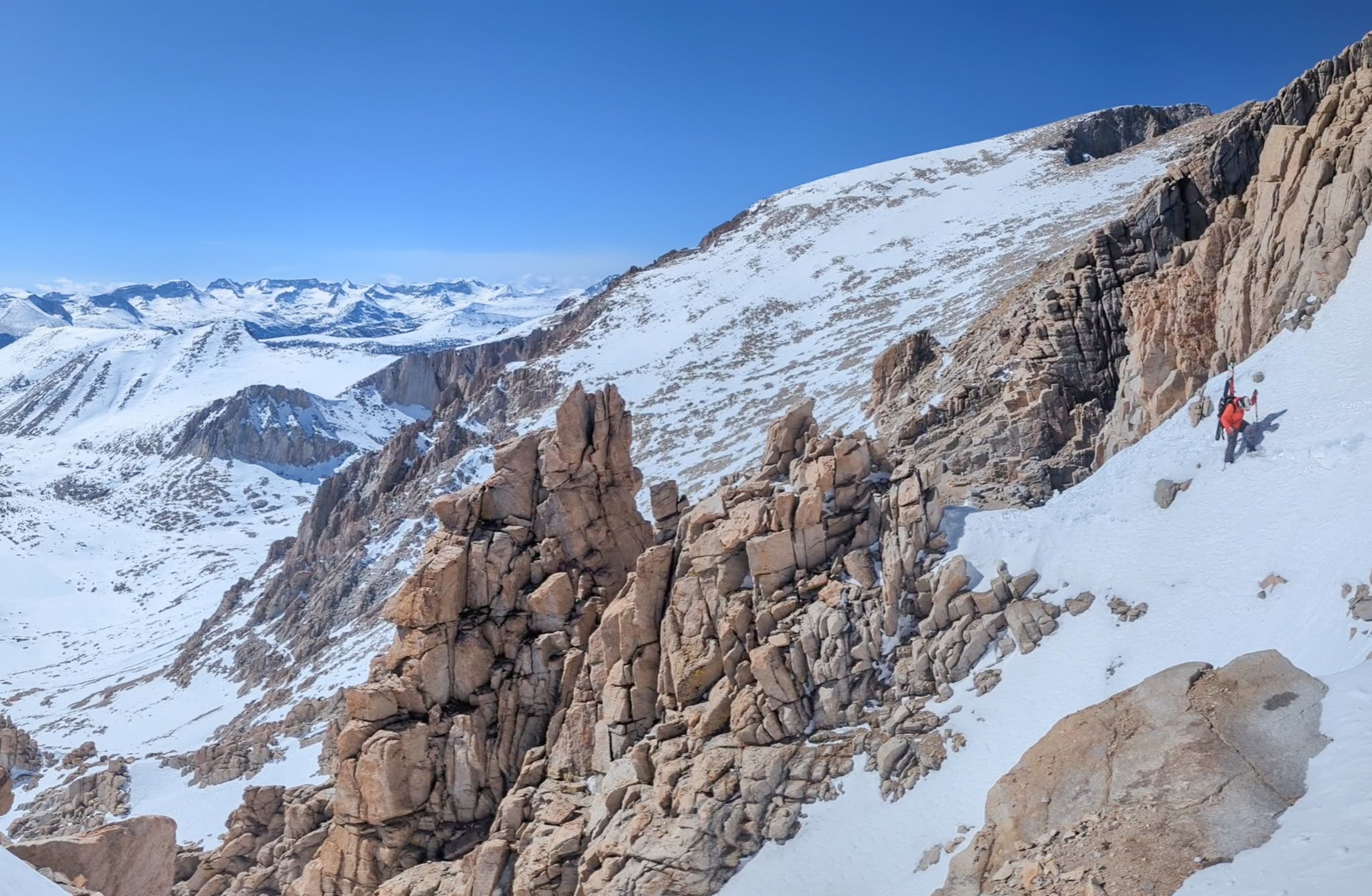
LFCSAFTD off of the Main Trail and down the West Face. It's likely that he wasn't wearing crampons or using an ax. The search for his body led a couple of SAR volunteers to tediously rap some sketchy terrain on the East Face of the Whitney Massif. The body was found by French climbers after the search had been called off.
MITIGATION
Interesting failure by SAR at the time but an amazing and thorough attempt.
Best guess here is that 1978-79 was a big snow year and he was on the West Slope, slipped off the main trail and fell down one of the many chute systems.
MEDIA
China Lake Mountain Rescue Group (starts on Page 8...)
Unnamed
ANALYSIS
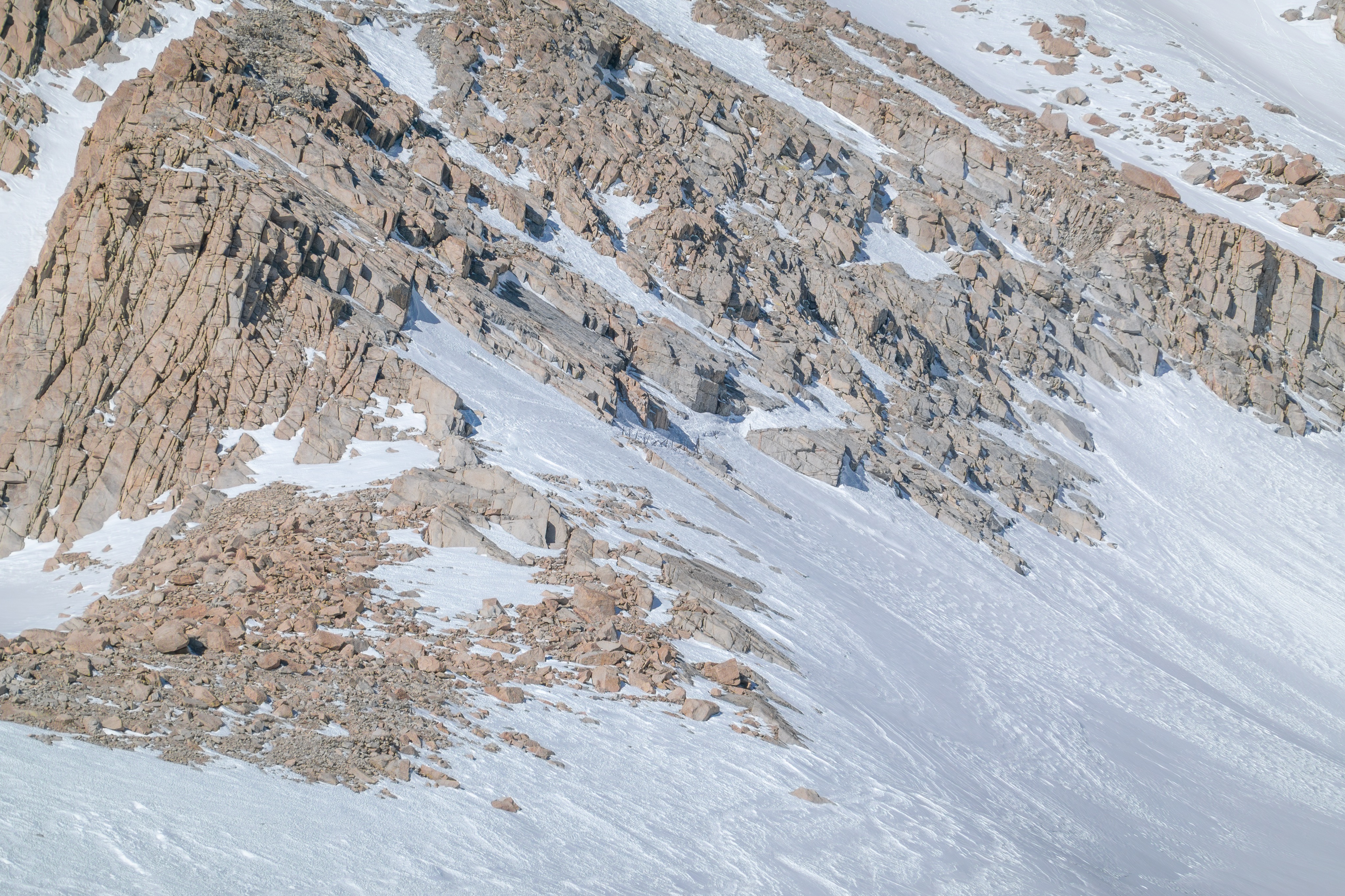
LFCSAFTD on the slope beneath the Cable Section. First recorded instance of an event that still happens; people attempting to take the switchbacks when they are inundated with snow. It's unclear if this person was attempting to take the Switchbacks when they were nonviable but this is the most likely scenario.
MITIGATION
This is a hiker-in-mountaineering-terrain event. While standing at Trail Camp, one has a clear view of both the entirety of the 99 Switchbacks and of the Slope To Climber's Right Of The Switchbacks. When both are covered in (settled, stable) snow, it is obvious that the Slope To Climber's Right is the safer, faster and more efficient route by a wide margin...to those who understand the objective hazards that alpine terrain presents and know how to read it. For those who do not, and who are following a route line on a map regardless of what the terrain is indicating to them, "The Trail" becomes the only route they see. So they venture into that terrain and are then subjected, needlessly, to the hazards that it presents.
See an April 2026 beta report.
MEDIA
Double fatality of Arthur Bourne (age 66) and Michael Bourne (age 35)
ANALYSIS
Both men (a father and son pair) died of exposure. Their bodies were found about a half mile apart, one in a tent, the other a half mile down the trail. It's unclear why they separated. They were both wearing cutoff jean shorts and t-shirts.
MITIGATION
Gear and clothing logistics should comport to accurate weather forecasts. While cut-off jean shorts were all the rage in 1978, they are a poor choice, then and now, for alpine terrain.
Modern weather forecasting was obviously not available in 1978, but it is now. There's no reason to get caught out in storms unless you're on a multiweek expedition. Use reliable weather forecasting systems sourcing high-resolution, local models (HRRR, PEAKs, UKV, RRFS, AROME-HD, MeteoBlue, etc...) Low and medium resolution models (GFS, ECMWF) are not reliable in mountainous terrain.
In general, it is a bad idea for hikers to separate, unless all involved are highly experienced in the exact terrain and conditions that exist at the time, all are capable of self-rescue, all have sat-comms or a similar means of communication, all are familiar with the route and are fully capable of independent navigation even during inclement conditions, all are equally properly-equipped and a solid, clear logistical plan is agreed upon ahead of time that covers all contingencies in the event of one or more of multiple failure modes.
See Qui, 2017.
MEDIA
Eric Eichmann (age 20)
ANALYSIS
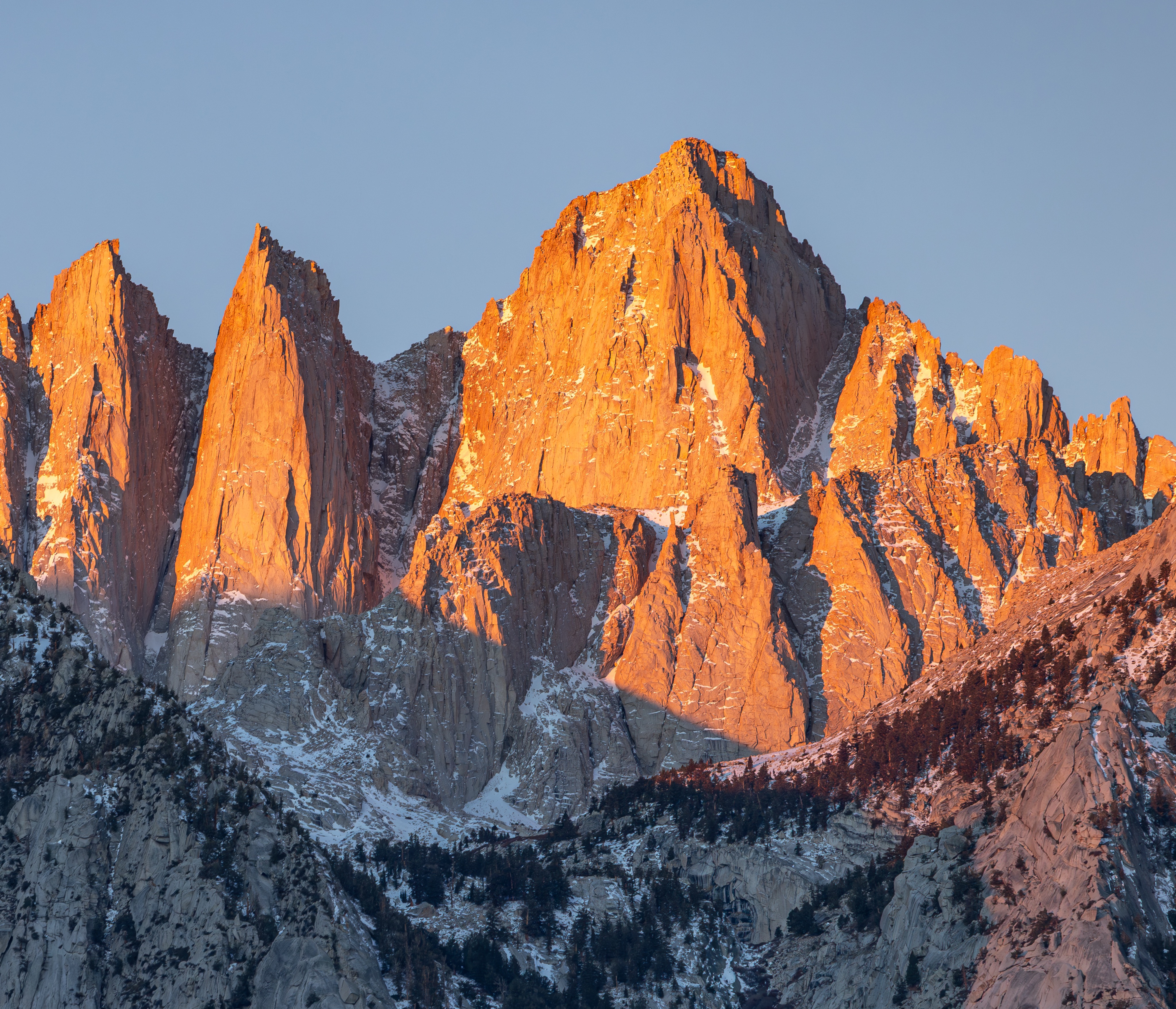
Fell from near the top of the East Buttress Route in a snowstorm after having shiver-bivied the previous night. His partner attempted to finish the climb, but suffered frostbite over the course of two more nights out on the mountain.
MITIGATION
Modern weather forecasting was obviously not available in 1973, but it is now. There's no reason to get caught out in storms unless you're on a multiweek expedition. Use reliable weather forecasting systems sourcing high-resolution, local models (HRRR, PEAKs, UKV, RRFS, AROME-HD, MeteoBlue, etc...) Low and medium resolution models (GFS, ECMWF) are not reliable in mountainous terrain.
MEDIA
American Alpine Club, Accidents In North American Mountaineering
David Slaton (age 17)
ANALYSIS
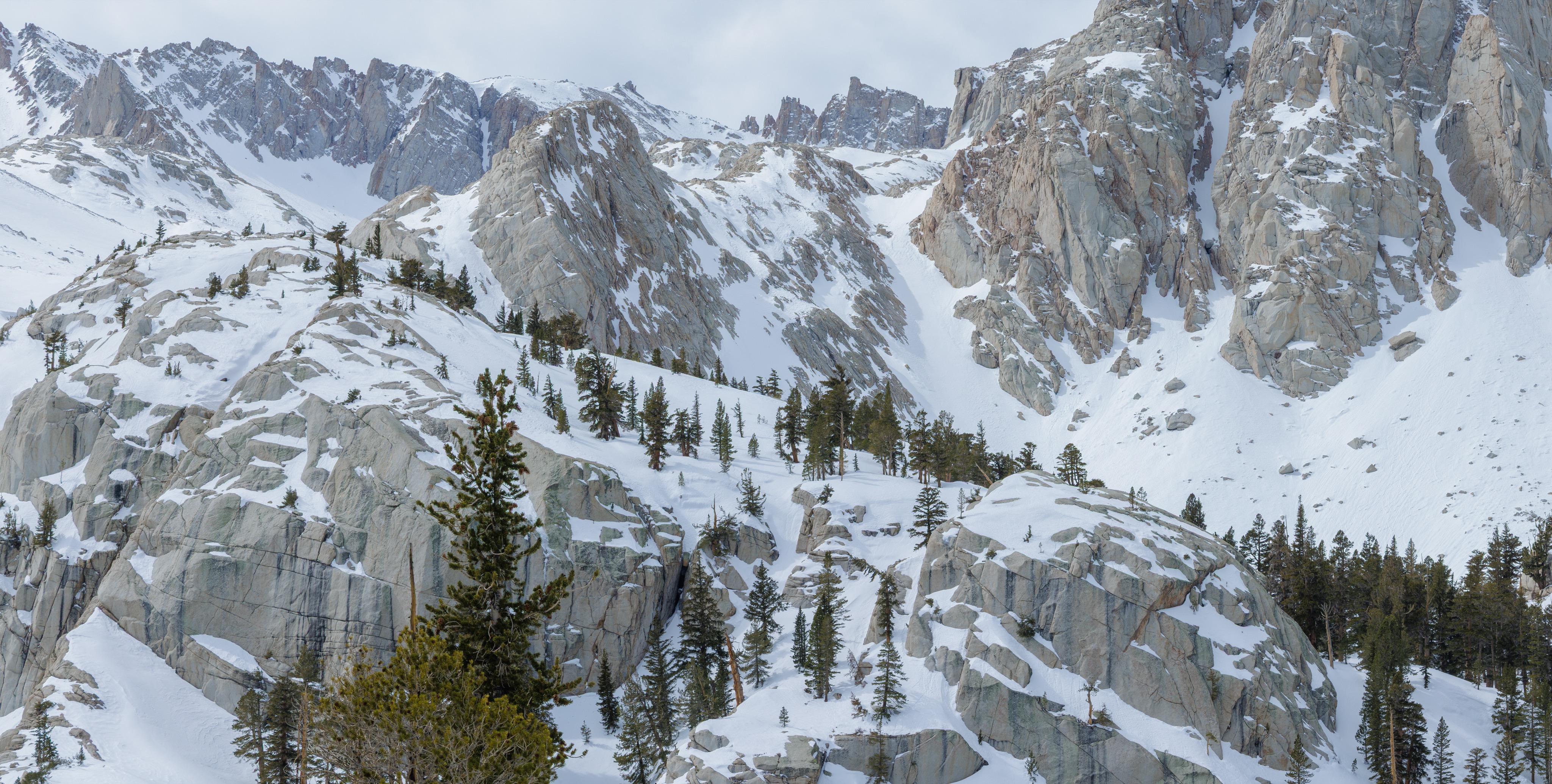
Fell while free soloing the cliffs above Outpost Camp. David was parked at Outpost because he was suffering from AMS, and some of his partners continued on, while one stayed. The next morning, the remaining partner left to find the others, and while he was gone, Slaton tried to climb some rock, fell and died.
MITIGATION
Obvious mitigation here; don't free solo technical terrain with AMS...
MEDIA
American Alpine Club, Accidents In North American Mountaineering
Michael Hamilton (age 43)
ANALYSIS
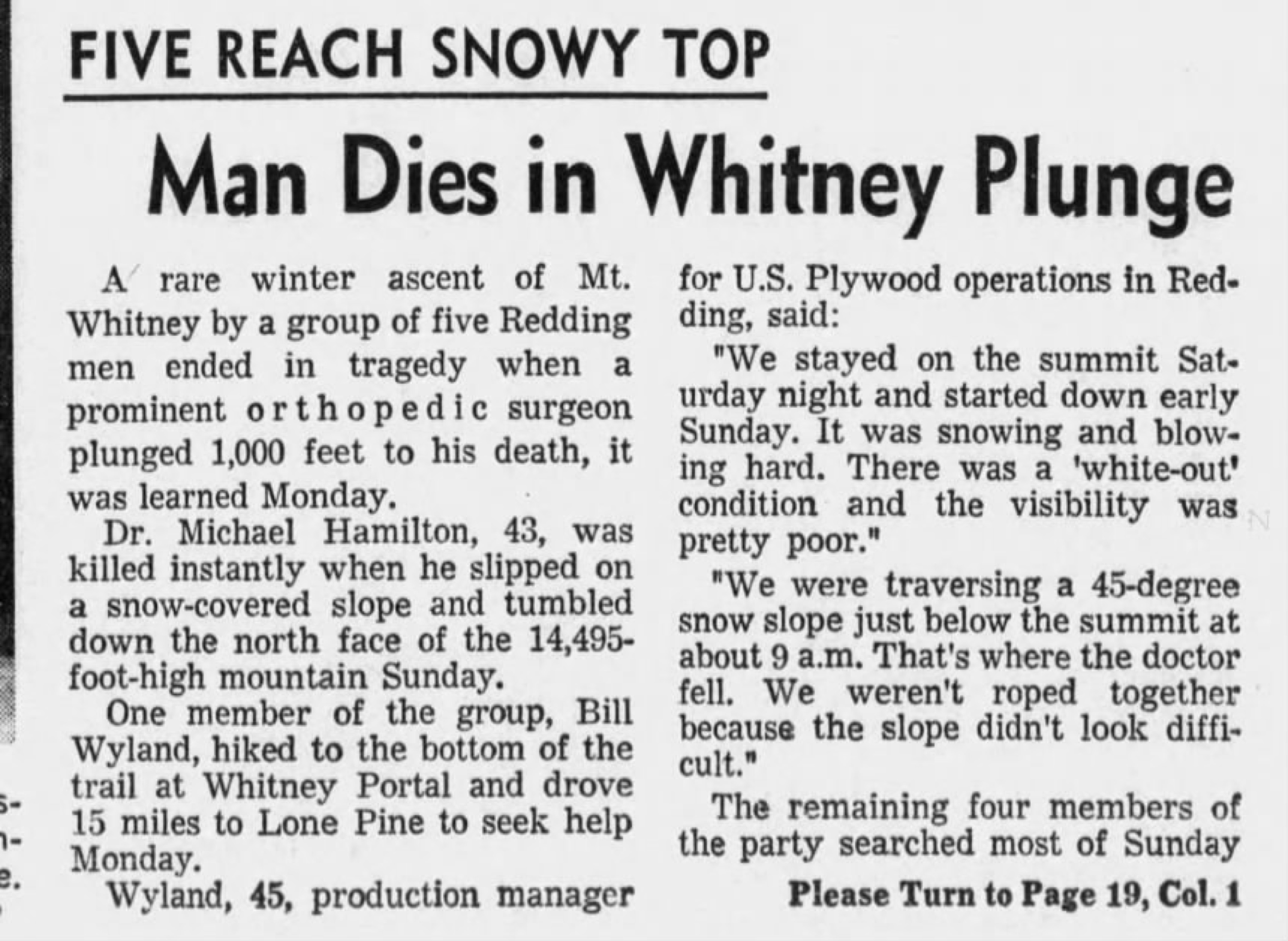
LFCSAFTD from The Traverse. (Lost Footing, Could Not Self-Arrest, Fell To Death).
Use of crampons and ice axes by everyone in the party is unclear, but they were not roped together, which likely prevented this from being a quadruple fatality. They were on this section fairly early after spending the night on the summit. An active storm cycle was occurring at the time of this incident, which may have played a significant role.
Special note: This is the first recorded instance of somebody falling to their death down the North Face of Mount Whitney from The Traverse.
See Unnamed, 2026, Bolan, 2024, Gerbier, 2023, Peñaloza, 2020, Dao, 2019, Juliani, 2018, Johnson, 2014, Ferrari, 2005, Pimm, 2001 and Ranger, 1984.
MITIGATION
These climbers made the same mistake that continues to be made more than a half-century later, resulting in the same fatal consequences...
"We took the traverse because the slope did not look difficult."
Since 1968, there have been multiple fatality incidents at what has since become known as "The Traverse", "The Easy Walkoff", or "The Second Class Traverse".
Why do people take this route? Usually because they do not have the skillset or equipment to down-climb what they climbed (The Final 400) or the experience to recognize that traverses at 14,200 feet on North-facing aspects over 2,000 vertical feet of unsurvivable mixed terrain of interspersed rock and ice bands below a 40-50º slope of ice-adjacent névé (sometimes actual ice with some amount of softer snow laying on top of it) that is always marginally-arrestable and very frequently non-arrestable are mechanically more dangerous than face-in down-climbing for a wide range of reasons. It looks "easier" to the eyes of those who lack the prerequisite credible experience in alpine terrain to understand why it isn't.
They mentioned not being roped together. If they had been, this very likely would have been a quadruple fatality; simulclimbing with fixed protection wasn't really a common practice back then and group self-arrest in marginally-arrestable conditions is a thing of myth and lore...
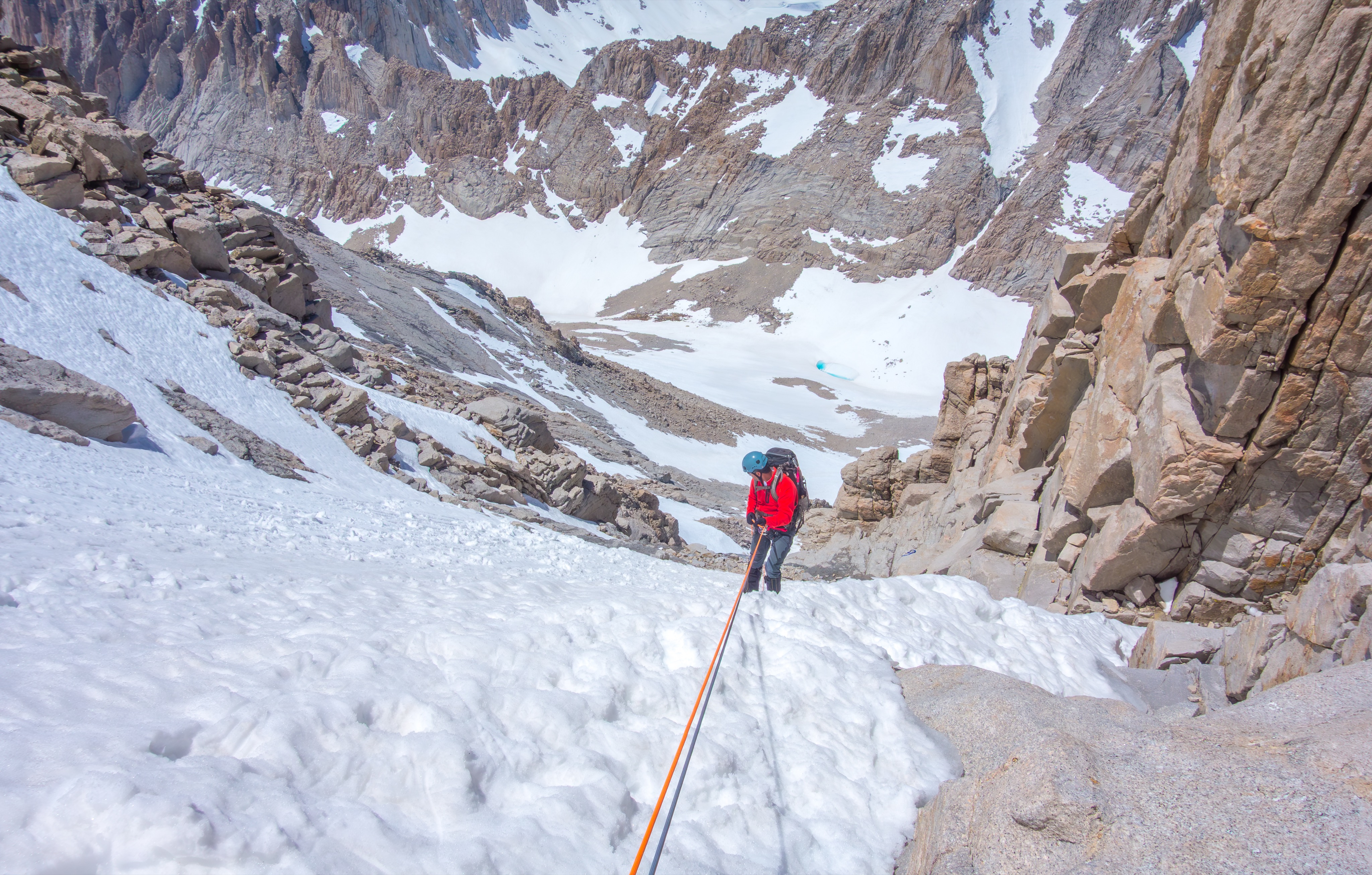
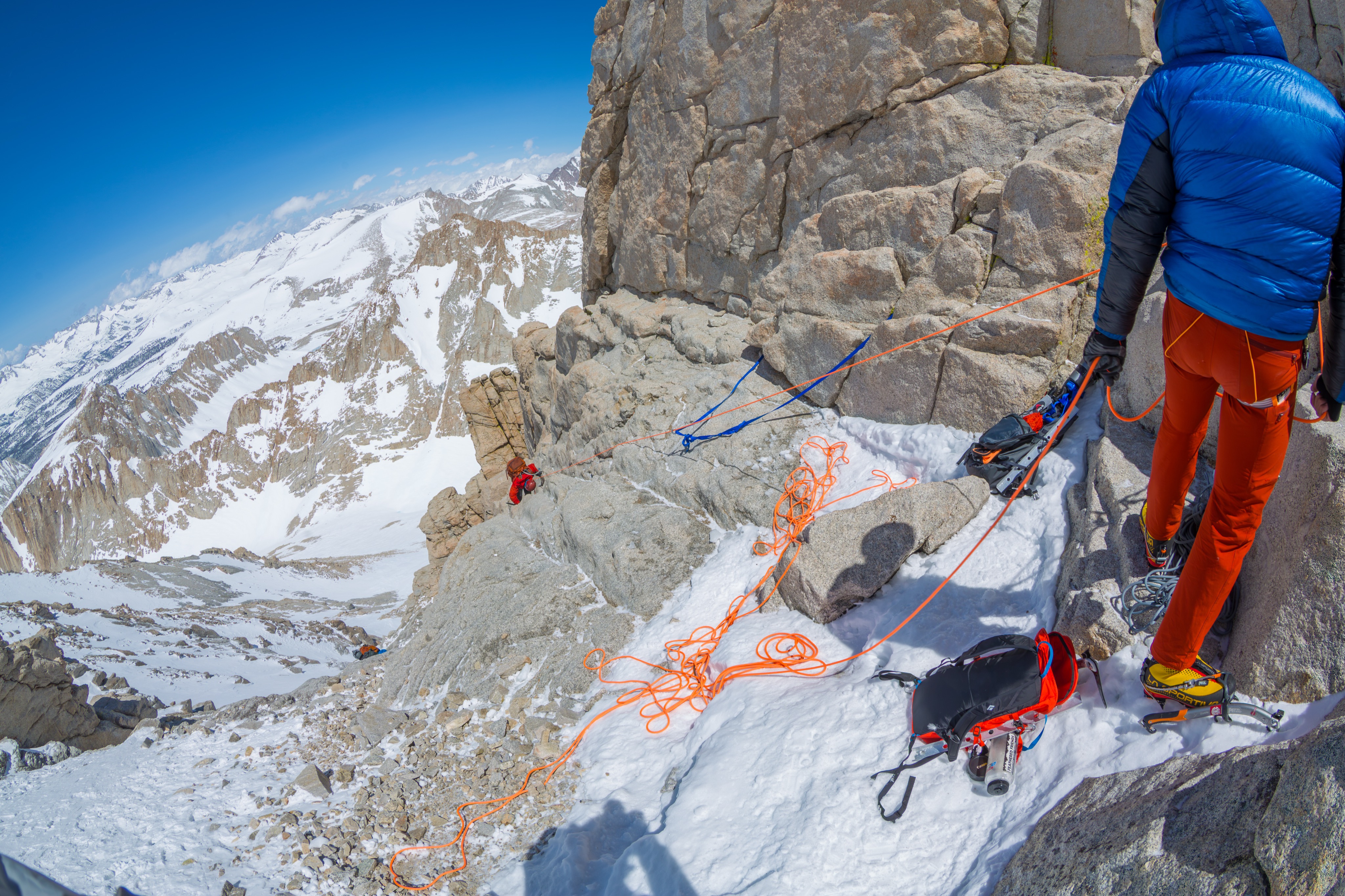
The safest option here is always a careful down-climb of the Final 400, more-so in adverse conditions. Rappelling from the summit is a viable option if the proper gear is carried and everyone in the party has the appropriate skillset. If rapping on two 60m twins, the entire Final 400 can be descended with two rappels. The first anchor can be built on the summit blocks. At the end of the first rappel, it's a very short down-climb to the next suitable anchor point; a rap from here goes straight to The Notch.
MEDIA
Frederick C. Scheberies (age 27)
ANALYSIS
Fall on steep snow and inability to self-arrest. This is a weird one. Fell while ice climbing (?) the waterfall feature near the Portal? He was not wearing a helmet.
MITIGATION
A helmet may have saved his life, but a proper self-arrest (or a belay) would have avoided the situation altogether. This is an old event and helmet use wasn't as widespread then. It's worth noting that anchors and tethered belays (Alpine PAS) are a good idea anytime you're above terrain you could fall down, if that fall would be injurious or fatal, even if the terrain seems trivial and safe.
MEDIA
American Alpine Club, Accidents In North American Mountaineering
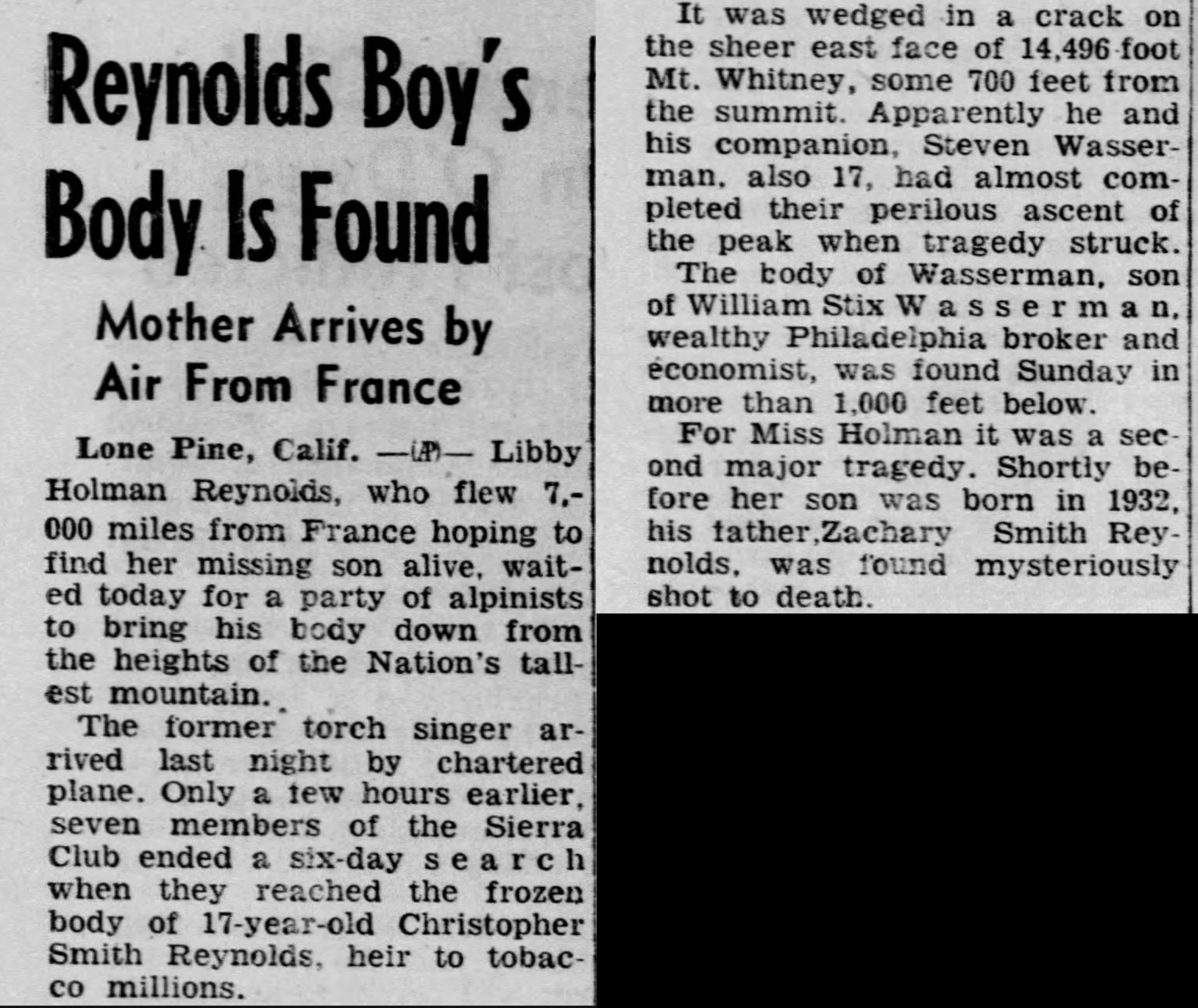
Double fatality of Christopher Reynolds (age 17) and Steven Wasserman (age 17)
ANALYSIS
Both climbers fell to their deaths from the East Buttress. The incident was likely the result of being roped together on technical terrain without adequate experience. The pair were attempting the East Buttress route on Mount Whitney, a technical multipitch alpine climb.
Historical accounts suggest inexperience, improper clothing/gear, and misjudgment of the route’s difficulty contributed to the fall. Notably (and unrelated), Christopher Reynolds was the heir to the R.J. Reynolds tobacco fortune, adding a small historical footnote to the incident.
MITIGATION
Roping up without placing intermediate protection is a consequence multiplier in any sort of terrain where unchecked falls of a single climber are allowed to propagate to other climbers tied into the rope. Modern gear and technique advancements in climbing protection, clothing, navigation and weather forecasting obviously were not available in 1950. However, inexperience can still be deadly even with modern equipment. Understanding alpine terrain and route conditions is critical, as is a robust understanding of roped safety systems.
MEDIA
American Alpine Club, Accidents In North American Mountaineering